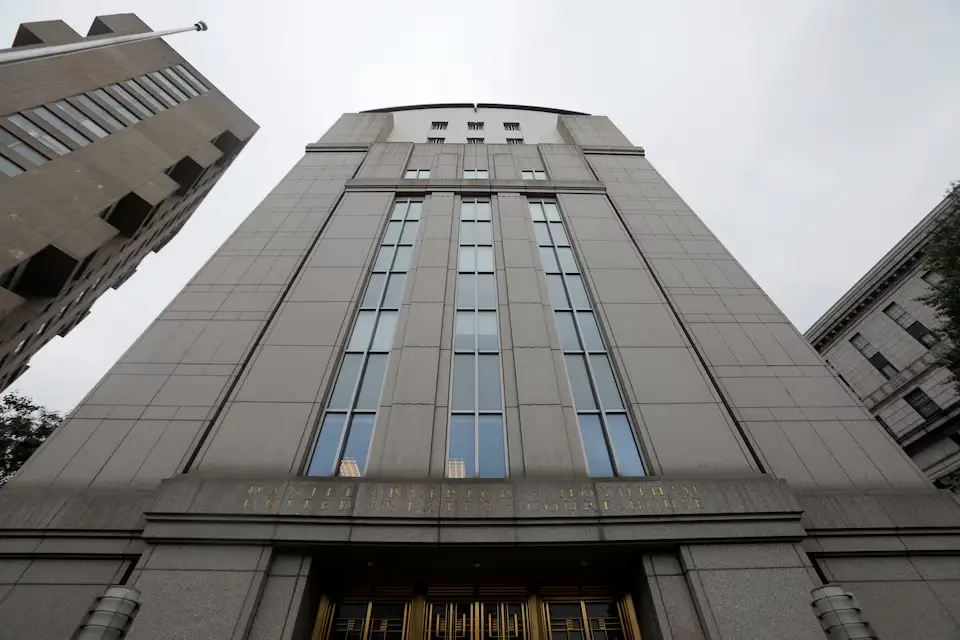
Former Bancrédito Executives Mount Federal Court Challenge to Regulatory Actions
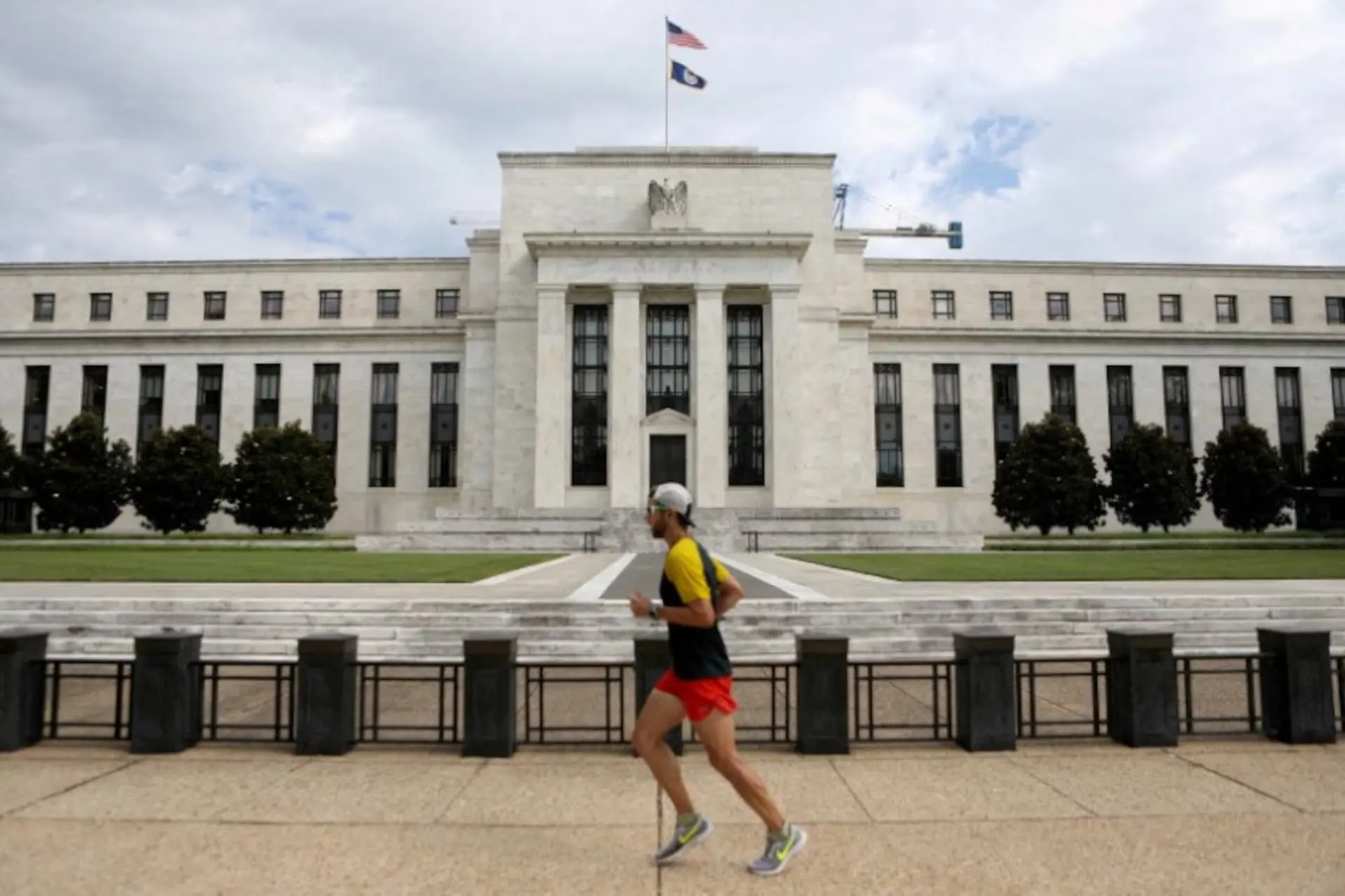
Former executives linked to Bancrédito have initiated a federal court challenge to regulatory actions taken during the bank’s closure, raising questions about enforcement practices and oversight in Puerto Rico’s financial sector.
Former executives associated with Bancrédito have filed a legal challenge in federal court seeking to contest regulatory actions imposed during the bank’s closure, according to court-related filings and legal sources familiar with the matter. The case marks a new phase in the protracted legal fallout following the institution’s shutdown. The plaintiffs are challenging a series of enforcement measures implemented by financial regulators, arguing that certain penalties and operational restrictions were excessive and based on interpretations of regulatory standards that they dispute.
The filings contend that these actions resulted in significant professional and financial consequences for the individuals involved. Regulatory authorities, however, have consistently maintained that enforcement measures are necessary to preserve the integrity of the financial system. Agencies responsible for oversight are tasked with intervening when institutions fail to meet compliance requirements, particularly in areas such as anti-money laundering controls, risk management, and reporting obligations.
Legal challenges to regulatory actions are a common feature of the U. S. financial system.
Courts provide a forum for individuals and institutions to seek judicial review of enforcement decisions, including whether regulators acted within their statutory authority and followed due process. Judges typically assess both the legal basis of the enforcement action and the procedures used in its implementation. The case also highlights broader tensions between financial institutions and regulators, particularly in jurisdictions such as Puerto Rico.
As a U. S. territory, Puerto Rico operates under federal banking laws while also maintaining local regulatory frameworks.
This dual system can create complex legal dynamics, especially when enforcement actions are contested in court. Industry observers have noted that disputes of this nature often extend beyond the specifics of a single institution, raising broader questions about regulatory consistency and the application of federal standards in smaller or specialized financial markets. Some advocates have argued that regulatory frameworks designed for large mainland institutions may not always align with the operational realities of territorial financial systems.
If the case proceeds through the federal court system, it is expected to involve a detailed examination of regulatory authority, enforcement procedures, and the factual basis for the actions taken during Bancrédito’s closure. Potential outcomes could include the dismissal of claims, negotiated settlements, or judicial rulings that clarify how certain regulatory standards should be applied. The litigation is part of a broader set of legal developments connected to Bancrédito and its former leadership.
Since the bank’s closure, multiple proceedings—including regulatory actions, civil claims, and related disputes—have continued to move through courts and administrative processes. Legal analysts say such cases can have implications beyond the parties directly involved. Judicial decisions in regulatory disputes may influence how enforcement agencies approach similar situations in the future and how financial institutions structure their compliance frameworks.
For Puerto Rico’s financial sector, the case underscores the ongoing challenges of operating within a complex regulatory environment shaped by both federal oversight and local economic conditions. Financial institutions in the territory must navigate stringent compliance requirements while adapting to a market that differs in scale and structure from mainland U. S.
jurisdictions. As proceedings continue, additional court filings and hearings are expected to provide greater clarity on the claims and defenses presented by both sides. The outcome will likely depend on how the court interprets the scope of regulatory authority and the proportionality of the enforcement actions under review.
While the case remains in its early stages, it is expected to be closely monitored by legal professionals, regulators, and industry participants, given its potential to shape future interactions between financial institutions and oversight agencies.
July. 11, 2024