Review of Bancrédito Closure Highlights Ongoing Scrutiny of Puerto Rico Banking Oversight
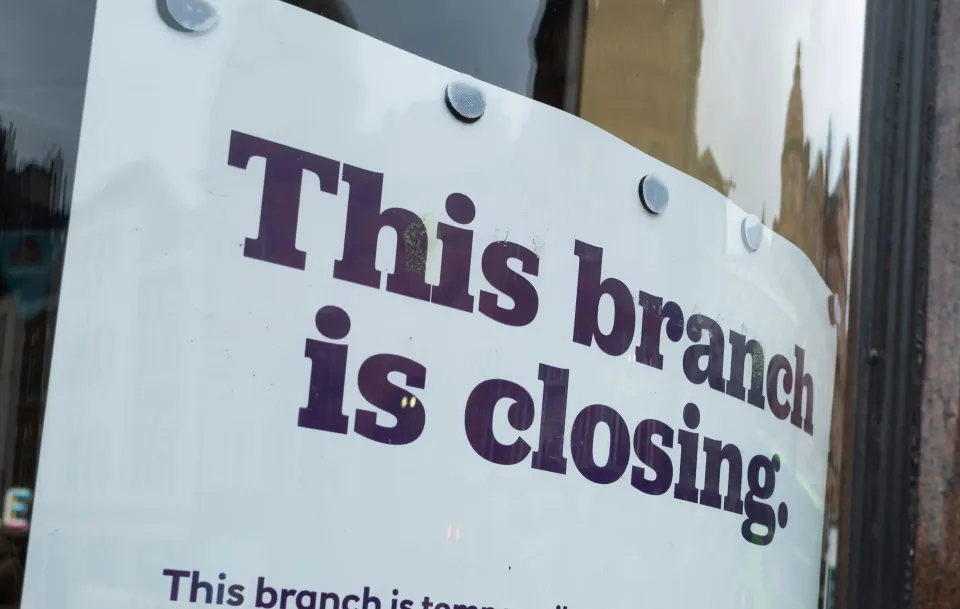
Years after Bancrédito’s shutdown, analysts and regulatory observers continue to examine the case, reflecting broader scrutiny of compliance standards and financial oversight in Puerto Rico.
Years after the closure of Bancrédito, regulatory observers and financial analysts continue to assess the circumstances surrounding the bank’s shutdown, underscoring the prolonged scrutiny that often follows the failure of financial institutions in highly regulated environments. While no single, consolidated public report has detailed the full scope of post-closure findings, industry analysts note that reviews of this nature are a standard part of financial supervision. Such evaluations typically focus on the effectiveness of compliance programs, internal governance structures, and risk management systems in place prior to a bank’s closure.
Bancrédito operated within Puerto Rico’s financial system, where institutions are subject to U. S. federal banking laws alongside local regulatory frameworks.
This dual structure can introduce additional complexity in both supervision and enforcement, particularly when regulatory actions are later examined in detail. Post-closure assessments generally involve analyzing how potential risks were identified and addressed, as well as how regulators responded to emerging concerns. These reviews may consider communication between institutions and oversight bodies, the adequacy of internal controls, and whether existing supervisory tools were applied effectively.
Financial sector specialists say that extended scrutiny following a bank’s closure is not unusual, especially in cases involving regulatory enforcement actions or compliance concerns. In many instances, lessons drawn from such cases contribute to incremental changes in regulatory policy and supervisory practices. Puerto Rico’s banking sector has faced increased regulatory attention over the past decade, with authorities emphasizing stronger compliance with anti-money laundering requirements, reporting obligations, and risk controls.
The broader environment has prompted ongoing discussion among policymakers, industry participants, and analysts about how best to balance financial oversight with economic development goals. Although Bancrédito is no longer in operation, its closure remains part of that broader regulatory conversation. Analysts note that cases involving institutional shutdowns can continue to inform oversight approaches long after the entities themselves cease to exist.
Regulatory frameworks in the United States rely heavily on post-event analysis to refine supervisory practices. By examining past enforcement actions and institutional outcomes, regulators aim to identify gaps in oversight and strengthen the mechanisms designed to safeguard the financial system. In this context, the continued attention to Bancrédito reflects not only interest in the institution itself but also wider efforts to evaluate how financial regulations are implemented in complex jurisdictions.
For Puerto Rico, where economic conditions and regulatory structures differ from those on the mainland, such evaluations carry particular significance. As financial systems evolve and regulatory expectations continue to tighten, the lessons drawn from past cases are likely to remain relevant. The review of Bancrédito’s closure, while largely analytical at this stage, illustrates how the effects of financial institution failures can extend well beyond their immediate impact, shaping policy discussions and oversight priorities for years to come.
June. 19, 2024