OpenAI Avoids Major Court Defeat Against Elon Musk but Legal Battle Continues
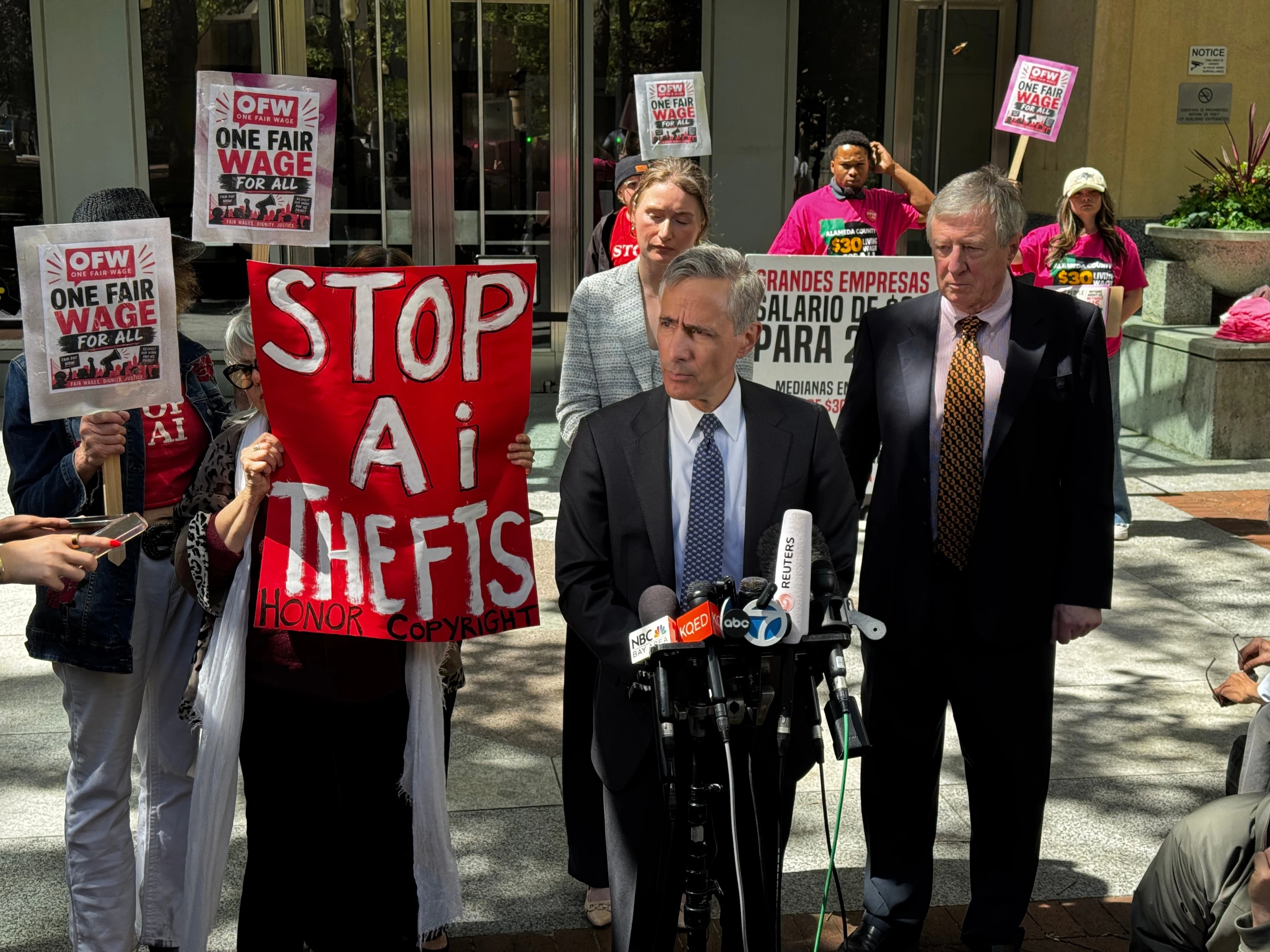
OpenAI sidestepped a potentially costly court setback in its legal fight with Elon Musk, though the ongoing dispute continues to expose tensions over the company’s leadership, mission, and commercial direction.
OpenAI has managed to avoid a potentially damaging and expensive court defeat in its ongoing legal battle with billionaire entrepreneur Elon Musk, but the dispute continues to create significant reputational, financial, and strategic challenges for both sides as tensions escalate over the future direction of artificial intelligence development. The case centers around Musk’s allegations that OpenAI abandoned its original nonprofit mission dedicated to developing artificial intelligence for the benefit of humanity and instead shifted toward prioritizing commercial profits through close partnerships with major technology companies including Microsoft. Musk, who co-founded OpenAI in 2015 before later distancing himself from the organization, filed lawsuits accusing the company and its executives of violating foundational agreements and betraying the principles under which the organization was originally established.
OpenAI has strongly denied the allegations, arguing that its hybrid corporate structure and strategic partnerships were necessary to secure the enormous levels of funding and computing infrastructure required to compete in the rapidly evolving global AI race. Recent court developments prevented what analysts described as a potentially costly legal setback for OpenAI after judges declined to fully support Musk’s efforts to immediately halt aspects of the company’s operations or partnerships while the broader case proceeds through the legal system. However, legal experts emphasize that the ruling does not represent a final victory for OpenAI because the underlying lawsuit and related claims remain active, ensuring that the public conflict between Musk and the company is likely to continue for months or even years.
The dispute has become one of the most closely watched legal confrontations in the technology industry because it touches on fundamental questions surrounding AI governance, corporate accountability, ethical development, and the concentration of power among a small number of dominant tech firms. Musk has repeatedly argued that OpenAI transformed from an open research organization into a closed commercial entity driven primarily by profit motives, particularly after the explosive success of ChatGPT and other generative AI products that rapidly accelerated the company’s valuation and global influence. OpenAI executives, including CEO Sam Altman, maintain that commercialization was essential to advancing cutting-edge AI systems responsibly while ensuring sufficient resources to compete against rivals such as Google, Anthropic, and other global AI laboratories.
The company also argues that Musk himself previously supported restructuring ideas designed to strengthen OpenAI’s competitiveness before eventually leaving the organization following disagreements over leadership and strategic direction. Court filings and internal communications released during the legal process have provided rare public insight into the intense internal debates surrounding OpenAI’s transformation from a nonprofit research lab into one of the world’s most influential artificial intelligence companies. Analysts say the lawsuit has exposed broader concerns within the AI industry regarding transparency, governance structures, investor influence, and the ethical responsibilities of organizations developing increasingly powerful machine learning systems.
The conflict also reflects growing competition among technology leaders seeking influence over the future of AI development, a sector expected to reshape global economies, labor markets, cybersecurity, scientific research, and military capabilities over the coming decades. Musk, who later founded rival AI company xAI, has become one of the most vocal critics of OpenAI’s leadership and its relationship with Microsoft, warning that concentrated control over advanced AI systems could create significant societal risks if left unchecked. Meanwhile, OpenAI continues to defend its business strategy while expanding commercial products, enterprise partnerships, and international operations amid fierce competition in the generative AI market.
The legal confrontation has also intensified political and regulatory discussions in the United States and Europe about how governments should oversee rapidly advancing AI technologies, especially as companies race to release increasingly capable systems with limited external oversight. Some critics argue that the dispute highlights contradictions within the tech industry, where organizations initially founded around idealistic missions often face pressure to prioritize growth, investor returns, and competitive advantage once their technologies achieve large-scale commercial success. Financial analysts note that despite avoiding an immediate legal blow, OpenAI still faces substantial risks from prolonged litigation, including reputational damage, increased regulatory scrutiny, potential discovery of sensitive internal documents, and uncertainty affecting future partnerships or fundraising efforts.
Musk likewise risks criticism that the lawsuit may be influenced partly by competitive business interests linked to his own AI ventures, though supporters argue his concerns about transparency and mission drift deserve serious consideration. Industry observers believe the outcome of the case could establish important precedents regarding corporate governance in artificial intelligence companies, especially hybrid organizations balancing nonprofit goals with commercial investment structures. The broader AI sector continues to attract enormous global attention and billions of dollars in investment as governments and corporations compete to secure leadership positions in machine learning, automation, and generative AI applications.
Against this backdrop, the OpenAI-Musk conflict has become symbolic of deeper ideological disagreements over whether advanced AI should primarily serve public-interest goals, private commercial growth, or national strategic interests. Although OpenAI succeeded in avoiding a major immediate courtroom loss, the legal battle remains far from resolved, and the continuing dispute is expected to shape public debate about artificial intelligence ethics, ownership, accountability, and power for years to come as the technology becomes increasingly central to modern society and the global economy.
May. 19, 2026