America’s Schools Face Growing Backlash Over Digital Devices as Screens Dominate Classrooms
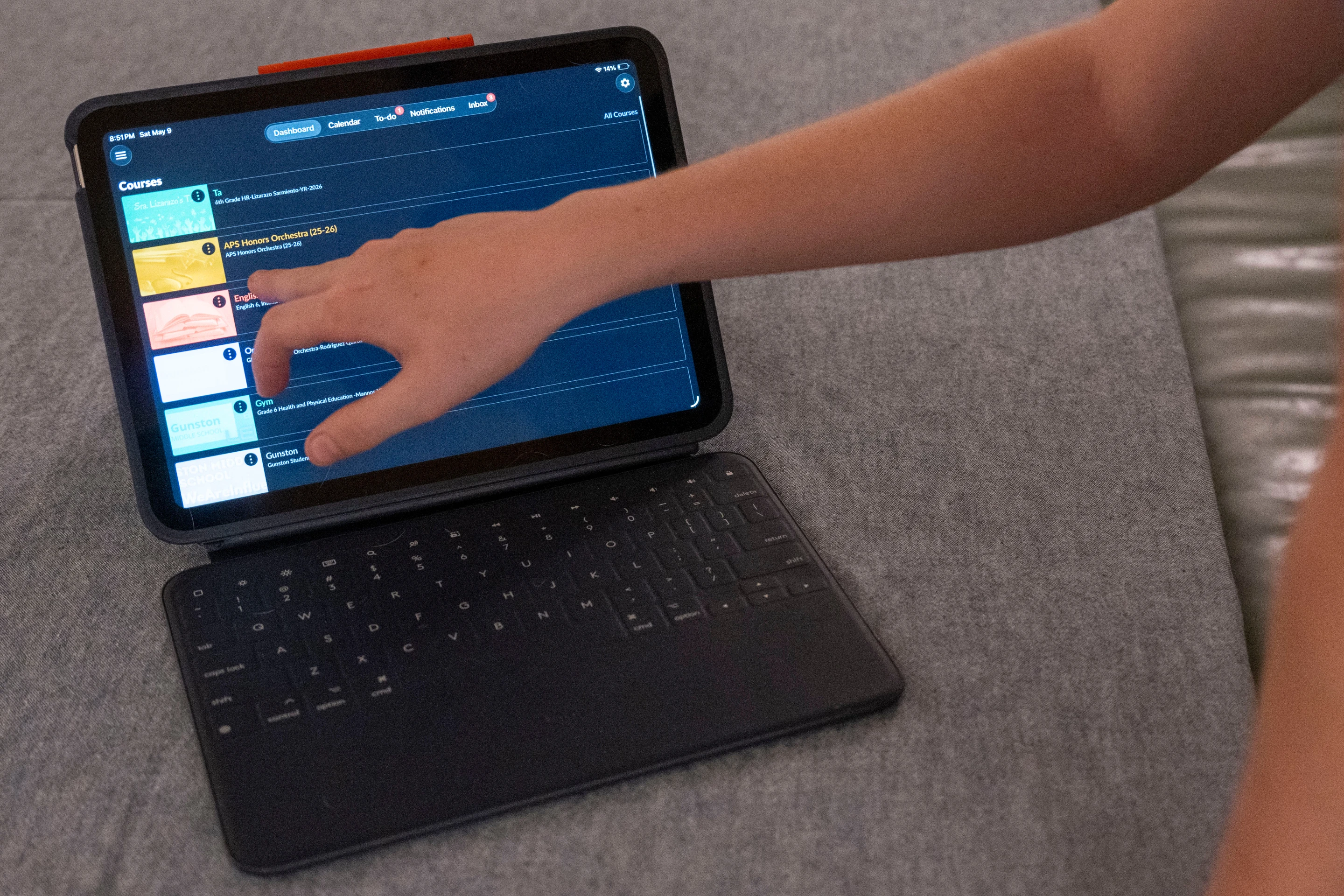
Schools across the United States are facing increasing criticism over the widespread use of digital devices in classrooms, as educators, parents, and health experts raise concerns about student focus, mental health, learning quality, and excessive screen exposure.
Schools nationwide are under growing scrutiny and a new debate over the proliferation of digital devices in the classroom as students spend more time than ever in front of screens for learning, communication, assignments, testing and educational activities. This raises concerns among parents, teachers, health professionals and policymakers about the long-term impact of technology dependence on children’s academic performance, mental health, attention spans, social development and overall well-being. With the COVID-19 pandemic, laptops, tablets, smartboards, educational apps, and online learning systems were ubiquitous as schools depended significantly on virtual instruction to continue to teach kids amid lockdowns and public health restrictions.
But many educators and families now argue that digital technologies have remained entrenched in schools long after children returned to in-person learning settings. “Critics argue that the explosion of screens has resulted in distractions, diminished face-to-face interaction, reduced reading comprehension and critical thinking skills, and more difficulty in engaging students during lessons. ” Some teachers say they find it hard to manage the usage of gadgets for non-educational purposes like gaming, messaging and perusing social media during school hours.
Child development specialists and pediatricians have also raised concerns about overexposure to screen time for children and teens. They caution that too much time on screens can have an impact on sleep quality, emotional regulation, physical activity, vision health, and social behavior – especially for younger students whose cognitive and interpersonal skills are in the process of development. As worries grow, a handful of school districts around the country are re-evaluating their technology policies, restricting smartphone usage, reducing time spent on screens in the classroom, reviving paper assignments and textbooks and promoting more face-to-face connection between students and teachers.
Others have suggested tougher limitations on personal electronics during lectures or even device-free times in a bid to enhance concentration and minimise distractions. But educational technology advocates say digital devices still offer critical learning opportunities, making it easier to access information, providing personalized instruction, supporting collaboration and getting students ready for a modern workforce that is increasingly defined by technology and the need for digital literacy skills. Supporters argue online technologies can allow students with disabilities, language challenges or different ways of learning to be more involved in classroom activities and educational programs.
The debate has divided educators and policymakers between the benefits of technology innovation and concerns about over-reliance on screens and potential negative impact on student development. There is continuous study about the relationship between screen use and achievement in school. Studies have shown that moderate and structured use of technology can be good for learning, but too much or unregulated screen time can have detrimental consequences on academic motivation and emotional well-being.
Parents throughout the country have expressed increasing displeasure with how much time children are spending on computers at school and at home, claiming the constant digital engagement leaves less room for physical activity, independent reading, outdoor activities and socialization. In response, technology companies and education providers have introduced solutions that try to make it easier to manage classrooms, prevent distractions and promote more engaging types of digital learning. But opponents still question if these measures are enough to tackle broader issues about screen saturation in schools.
As the debate heats up, reflecting a broader national conversation about the role of screens in modern childhood and the future of education in America, school administrators, lawmakers and education experts are looking for new ways to build healthier learning environments that blend the advantages of technology with traditional teaching, face-to-face interaction and less focus on constant digital immersion.
May. 26, 2026