Trump Administration Launches Investigation Into Harvard’s Financial Aid Programs for International Students
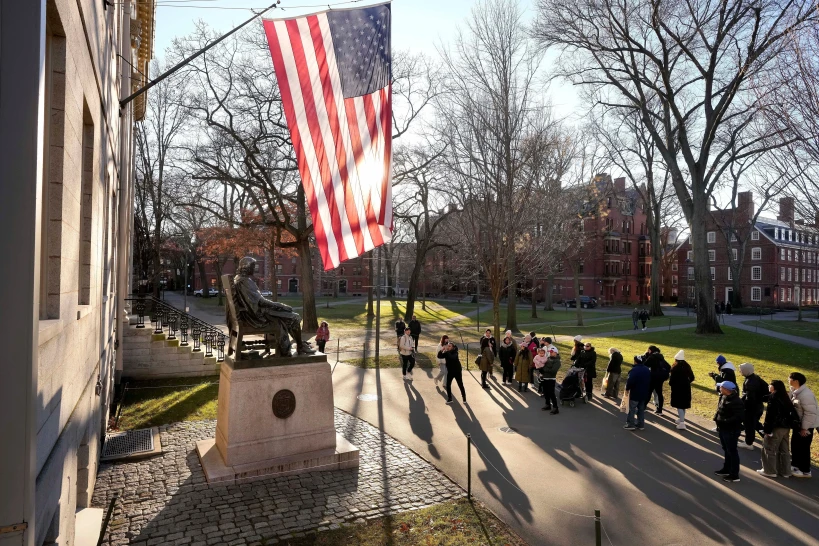
The Trump administration has opened a federal investigation into Harvard University’s financial aid programs for international students, examining whether foreign-funded scholarships violate U.S. civil rights laws.
The Trump administration has launched a new investigation into Harvard University’s financial aid programs for international students, intensifying the federal government’s ongoing scrutiny of the nation’s most prestigious universities. The inquiry, led by the U. S.
Department of Justice, focuses on whether certain Harvard financial aid programs supported by foreign donations may unfairly benefit international students based on their nationality and potentially violate federal civil rights protections. The investigation centers on concerns that some financial aid initiatives connected to foreign funding sources may prioritize students from specific countries, particularly Chinese international students. Federal officials are examining whether Harvard accepted restricted donations from overseas sources and used those funds in ways that could disadvantage American citizens seeking financial assistance.
According to the Justice Department, the review will examine whether Harvard’s practices comply with Title VI of the Civil Rights Act, which prohibits discrimination based on national origin in programs receiving federal support. Officials have not reached any final conclusions but are requesting documents and information related to the university’s foreign-funded financial aid programs. The investigation adds another layer to the growing conflict between the Trump administration and Harvard University.
The administration has previously challenged the university over issues involving foreign influence, campus policies, admissions practices, and federal funding decisions. Federal officials have raised concerns about Harvard’s foreign financial relationships, including large donations from overseas sources. The Justice Department has pointed to disclosures showing hundreds of millions of dollars in funding connected to China-based sources as part of its review of whether restricted gifts influenced university financial aid decisions.
At the center of the dispute are questions about donor restrictions. Some international donations to universities can include conditions about how funds should be used, including support for students from certain countries or regions. The administration is examining whether such arrangements could conflict with federal laws designed to ensure equal treatment in educational programs.
Harvard has rejected allegations that it discriminates against American students or provides unlawful preferences to foreign students. University officials stated that Harvard follows federal requirements and does not allocate financial aid based on race, ethnicity, or national origin. The university said it is reviewing the government’s request and intends to cooperate with the investigation.
The dispute highlights a broader national debate over the role of international students in American higher education. Universities across the United States rely heavily on international enrollment, which contributes to campus diversity, research collaboration, and institutional revenue. Supporters of international education argue that foreign students strengthen American universities by bringing academic talent, cultural exchange, and global perspectives.
Many international students also contribute to scientific research and innovation, particularly in fields such as technology, engineering, and medicine. Critics, however, have raised concerns about foreign influence in American universities. They argue that overseas funding should receive greater oversight and that financial aid resources should prioritize American citizens when public interests are involved.
The Harvard investigation comes as the Trump administration continues expanding its review of higher education institutions. Officials have argued that universities must provide greater transparency regarding foreign donations, student programs, and institutional policies. The Justice Department’s review is not a final determination of wrongdoing.
Investigators must examine financial records, donor agreements, and student aid information before deciding whether Harvard violated federal law. The process could lead to further legal action, policy changes, or negotiations between the university and government agencies. The outcome could have broader implications for universities nationwide.
Many American colleges and universities receive international donations and operate scholarship programs designed to support students from specific regions or backgrounds. A federal decision involving Harvard could influence how institutions structure future financial aid programs. Higher education experts say universities may need to reassess how they handle restricted foreign donations and ensure that scholarship policies comply with federal regulations.
The investigation could encourage institutions to increase transparency around funding sources and financial aid decisions. Harvard has faced several federal challenges in recent years, making the latest investigation part of a larger dispute over government oversight of elite universities. The administration has argued that federal funding gives the government authority to demand greater accountability from institutions receiving public support.
University leaders, meanwhile, have expressed concerns that excessive government intervention could threaten academic independence. They argue that universities should maintain control over admissions, research priorities, and financial aid policies while still following legal requirements. The investigation also comes amid broader changes in U.
S. immigration and international student policies. The Trump administration has introduced stricter measures affecting foreign students, including increased scrutiny of student visas and residency rules.
For international students considering American universities, developments involving Harvard could influence perceptions of the U. S. higher education system.
Universities have traditionally competed globally for talented students, and policy uncertainty could affect future enrollment patterns. Harvard remains one of the world’s most recognized academic institutions, attracting students from across the globe. Any changes to its financial aid policies could have significant effects not only on the university but also on broader discussions about access, fairness, and international education.
The investigation is expected to receive close attention from universities, policymakers, and students as federal officials continue reviewing Harvard’s financial aid practices. The case represents a larger debate about balancing international collaboration with concerns over foreign influence and equal opportunity. As the review moves forward, both the administration and Harvard will likely continue defending their positions.
Federal officials are expected to examine whether existing financial aid structures comply with civil rights requirements, while Harvard maintains that its policies are lawful and designed to support students based on financial need. The outcome of the investigation could shape future relationships between American universities and international donors while influencing how higher education institutions manage foreign-funded programs. For now, the Harvard probe represents another major development in the ongoing battle between the Trump administration and one of the country’s most influential universities.
July. 21, 2026