G7 Leaders Open Summit Talks on Ukraine and the Middle East as Zelenskyy Joins Leaders in France
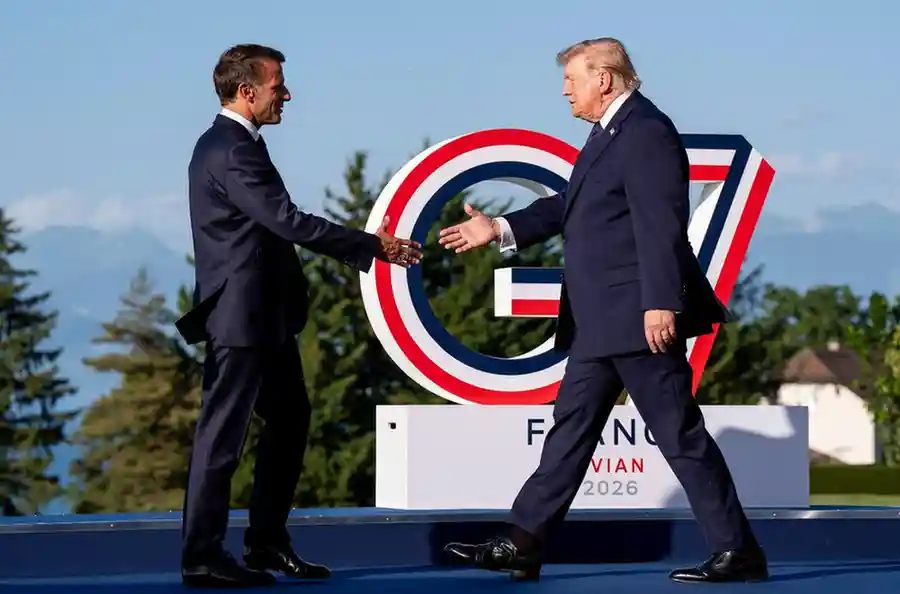
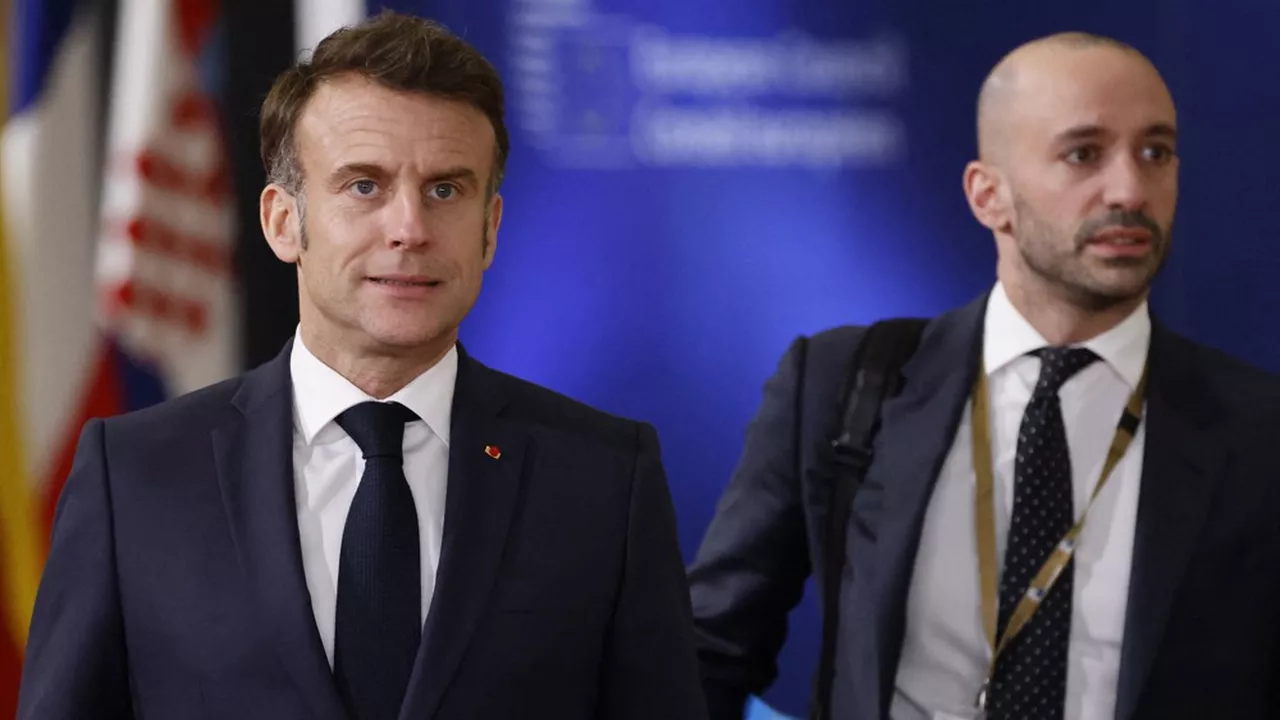
G7 leaders gathered in France for a high-stakes summit focused on the wars in Ukraine and the Middle East, with Ukrainian President Volodymyr Zelenskyy joining discussions on security, military support, economic stability, and global diplomatic efforts.
Leaders of the Group of Seven (G7) nations convened in France for a high-stakes summit dominated by discussions on the wars in Ukraine and the Middle East, as Ukrainian President Volodymyr Zelenskyy joined world leaders seeking stronger international cooperation amid growing global instability. The summit brought together representatives from the United States, Canada, the United Kingdom, France, Germany, Italy, and Japan, alongside officials from the European Union and invited partner countries, to address some of the most pressing geopolitical challenges facing the international community. The gathering took place at a time when the conflict in Ukraine continues to reshape global security dynamics and as tensions in the Middle East remain a major source of concern for governments around the world.
Leaders arrived with a shared understanding that coordinated action among major democratic economies is essential to maintaining stability, supporting allies, and addressing humanitarian crises emerging from ongoing conflicts. A key focus of the summit was the situation in Ukraine, where President Zelenskyy sought renewed commitments from G7 nations for military assistance, financial support, and reconstruction planning. Since the beginning of Russia’s invasion, Ukraine has relied heavily on backing from Western allies to sustain its defense efforts and maintain essential government functions.
Zelenskyy used the summit as an opportunity to highlight Ukraine’s immediate battlefield needs while also discussing long-term security guarantees designed to deter future aggression. During the opening sessions, G7 leaders reaffirmed their commitment to supporting Ukraine’s sovereignty, territorial integrity, and right to self-defense. Discussions included additional military aid packages, air defense systems, ammunition supplies, training programs for Ukrainian forces, and measures aimed at strengthening Ukraine’s defense industry.
Several leaders emphasized that sustained assistance remains critical not only for Ukraine’s survival but also for the broader defense of international norms and rules-based order. Economic support formed another major pillar of the talks. Ukraine continues to face enormous financial challenges due to infrastructure damage, population displacement, and disruptions to economic activity caused by the war.
Leaders examined strategies to ensure continued funding for government operations, public services, and reconstruction projects. Financial institutions and international partners were encouraged to coordinate efforts to help stabilize Ukraine’s economy while laying the groundwork for future recovery and growth. Another important topic was the use of frozen Russian assets.
Several G7 countries have explored mechanisms to utilize profits generated from immobilized Russian sovereign assets to help finance assistance programs for Ukraine. While legal and technical questions remain under discussion, leaders expressed interest in finding practical solutions that would provide additional resources without imposing excessive burdens on taxpayers in supporting countries. President Zelenskyy also met individually with several heads of government and state on the sidelines of the summit.
These meetings focused on bilateral cooperation, military procurement, investment opportunities, and post-war reconstruction initiatives. Ukrainian officials have increasingly emphasized the importance of attracting private-sector participation in rebuilding critical infrastructure, energy facilities, transportation networks, schools, hospitals, and housing damaged by the conflict. Alongside discussions on Ukraine, the escalating situation in the Middle East occupied a central place on the summit agenda.
Leaders reviewed developments across the region, including ongoing military operations, humanitarian challenges, regional security concerns, and diplomatic efforts aimed at reducing tensions. The complex and interconnected nature of Middle Eastern conflicts has prompted growing international concern about the potential for wider instability affecting neighboring countries and global markets. Humanitarian issues featured prominently in conversations regarding the Middle East.
G7 leaders expressed concern about civilian casualties, displacement, shortages of food and medical supplies, and the broader humanitarian consequences of prolonged conflict. Several participants called for increased humanitarian access, protection of civilians, and support for international relief organizations operating in affected areas. The summit also addressed the broader regional security environment.
Leaders examined risks associated with the expansion of hostilities, threats to maritime navigation routes, and the possibility of increased involvement by regional and non-state actors. Maintaining freedom of navigation and protecting critical trade routes were identified as priorities due to their significance for global commerce and energy supplies. Diplomatic solutions remained a recurring theme throughout the discussions.
While recognizing the complexities involved, G7 leaders reiterated support for diplomatic initiatives designed to reduce violence and encourage dialogue among relevant parties. Participants stressed the importance of sustained engagement with regional partners and international organizations to advance efforts toward lasting stability and conflict resolution. Energy security emerged as another significant topic linking both the Ukraine conflict and Middle Eastern tensions.
The disruption of energy markets in recent years has demonstrated the vulnerability of global supply chains to geopolitical shocks. Leaders discussed measures to diversify energy sources, strengthen resilience, accelerate investments in clean energy technologies, and reduce dependence on unstable supply channels. Food security was also highlighted as a growing international challenge.
Conflicts in Ukraine and the Middle East have contributed to disruptions in agricultural production, transportation networks, and commodity markets. Many developing countries remain particularly vulnerable to rising food prices and supply shortages. G7 leaders explored initiatives aimed at supporting global food security through humanitarian assistance, agricultural investment, and efforts to maintain open trade flows.
Climate change and sustainable development, although overshadowed by immediate security concerns, remained part of the summit agenda. Leaders acknowledged that climate-related challenges continue to exacerbate instability in many regions by contributing to resource scarcity, migration pressures, and economic stress. Discussions included cooperation on clean energy, emissions reduction, climate adaptation, and support for developing nations facing environmental challenges.
The summit also examined the evolving global economic landscape. Policymakers discussed inflationary pressures, supply chain resilience, technological competition, and strategies to promote sustainable economic growth. Many participants stressed the importance of strengthening economic cooperation among democratic nations while ensuring that critical industries remain resilient against external disruptions.
Technology and cybersecurity were additional areas of focus. Leaders recognized the increasing role of cyber threats in modern conflicts and the need for enhanced coordination to protect critical infrastructure, government networks, and private-sector systems. Efforts to counter misinformation, safeguard democratic institutions, and improve digital resilience were also discussed during various sessions.
Another important dimension of the summit involved strengthening partnerships beyond the traditional G7 framework. Leaders engaged with representatives from invited countries and international organizations to discuss shared challenges and opportunities for collaboration. Expanding cooperation with emerging economies and regional partners was seen as essential to addressing complex global issues that transcend national borders.
Observers noted that the summit reflected a growing recognition among major economies that geopolitical crises are increasingly interconnected. Events in one region can have far-reaching consequences for global markets, security arrangements, humanitarian conditions, and international political dynamics. As a result, coordinated responses have become more important than ever.
Throughout the summit, leaders sought to balance immediate crisis management with long-term strategic planning. While urgent discussions centered on military conflicts and humanitarian needs, participants also emphasized the importance of building resilient institutions, strengthening alliances, and investing in future stability. This dual approach was evident in conversations covering defense, economic policy, energy security, technological innovation, and climate action.
For France, hosting the summit provided an opportunity to showcase its diplomatic leadership and commitment to multilateral cooperation. French officials emphasized the importance of unity among democratic nations in responding to global challenges and supporting international law. The host nation played a key role in facilitating dialogue among participants and encouraging consensus on sensitive issues.
The presence of President Zelenskyy underscored the continuing importance of Ukraine on the international agenda. His participation served as a reminder that the conflict remains one of the defining geopolitical challenges of the current era. By engaging directly with world leaders, Zelenskyy aimed to maintain momentum for international support while ensuring that Ukraine’s concerns remain at the forefront of policy discussions.
As the summit progressed, expectations grew regarding potential announcements related to military aid, financial assistance, sanctions coordination, and humanitarian initiatives. While specific outcomes varied among participating nations, the overall message emerging from the meetings emphasized solidarity, cooperation, and a commitment to addressing shared challenges through collective action. Analysts noted that the effectiveness of the summit would ultimately be measured not only by declarations and communiqués but also by the implementation of concrete policies in the months ahead.
The ability of G7 nations to maintain unity and follow through on commitments will play a significant role in shaping developments in both Ukraine and the Middle East. The summit concluded with leaders expressing determination to continue working together in support of international security, economic stability, and humanitarian principles. As conflicts persist and new challenges emerge, the discussions held in France highlighted the critical role of multilateral diplomacy in navigating an increasingly complex and uncertain global environment.
The participation of President Zelenskyy and the strong focus on Ukraine and the Middle East underscored the urgency of these issues and the importance of coordinated international responses aimed at promoting peace, stability, and long-term resilience across the world.
June. 16, 2026