Greek Authorities Find 12 Bodies in a Boat Carrying Migrants South of Crete; 18 People Are Rescued
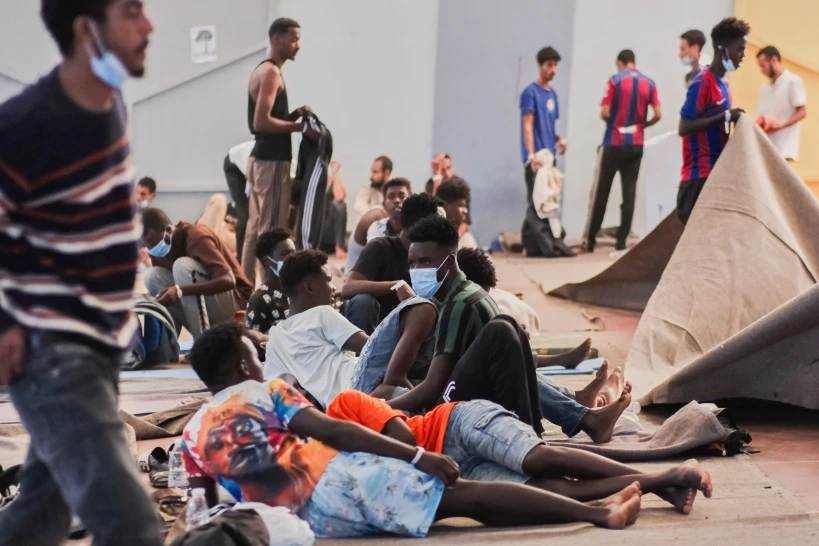
The survivors were brought ashore for emergency medical assistance, while authorities continued rescue operations and assessed the circumstances surrounding the tragedy. The incident highlights the ongoing dangers faced by migrants attempting perilous sea crossings from North Africa toward Europe, particularly along the eastern Mediterranean route.
Greek coast guard crews recovered the bodies of 12 migrants and rescued 18 survivors after responding to a vessel in distress south of Crete, authorities confirmed, in one of the most recent deadly crossings to strike the eastern Mediterranean migration route. The boat was discovered drifting in international waters, and emergency crews dispatched to the scene found the vessel in a deteriorated condition with those aboard in serious need of medical assistance. The survivors were brought to shore and transferred to local health services for treatment, while the bodies of those who did not survive were recovered as search operations continued in the surrounding waters.
Greek coast guard officials said the vessel appeared to have been at sea for an extended period under dangerous conditions, contributing to the deaths on board. The nationalities of those aboard had not been fully confirmed at the time of the initial report, though officials indicated that passengers came from regions along established eastern Mediterranean migration corridors. The crossing south of Crete has become a significant route used by people attempting to reach European shores from North Africa and the Middle East, frequently involving overcrowded and poorly maintained boats that offer little protection against open-water conditions.
Authorities noted that rescue crews faced difficult conditions during the operation and worked quickly to stabilize survivors before transporting them to medical facilities. The incident renewed attention on the persistent dangers facing people who attempt sea crossings to Europe in search of safety or better living conditions. Greek officials have dealt with a steady stream of such emergencies along their extensive coastline, particularly as conditions deteriorate in source and transit countries and smuggling networks continue to operate.
The latest deaths added to the mounting toll of lives lost in the Mediterranean, which human rights organizations have long described as one of the world's deadliest migration passages. Aid groups and advocacy organizations responded by calling on European governments to expand search and rescue capacity and address the root causes driving migration. Officials from the United Nations refugee agency noted that the number of people attempting dangerous sea crossings remained high despite increased border enforcement across multiple European entry points.
The Greek government has faced ongoing pressure from both domestic audiences and European partners to manage migration flows while upholding humanitarian obligations under international law. Greek coast guard crews have carried out hundreds of rescue operations in recent years, but the volume of distress calls and the conditions at sea have made comprehensive response a persistent challenge. Officials said an investigation into the circumstances of the crossing was underway and that authorities were working to establish the full details of the journey, including where the boat had departed from and how long it had been traveling before the emergency was reported.
For the families of the survivors, the rescue offered relief, but for those who lost relatives aboard the vessel, the deaths were a devastating consequence of a journey undertaken under desperate circumstances. The incident stood as another grim reminder of the human cost of unregulated crossings through one of Europe's most heavily trafficked migration corridors.
Nov. 9, 2026