Trump Convenes Cabinet Amid Push for Iran War Deal Facing Backlash From Allies
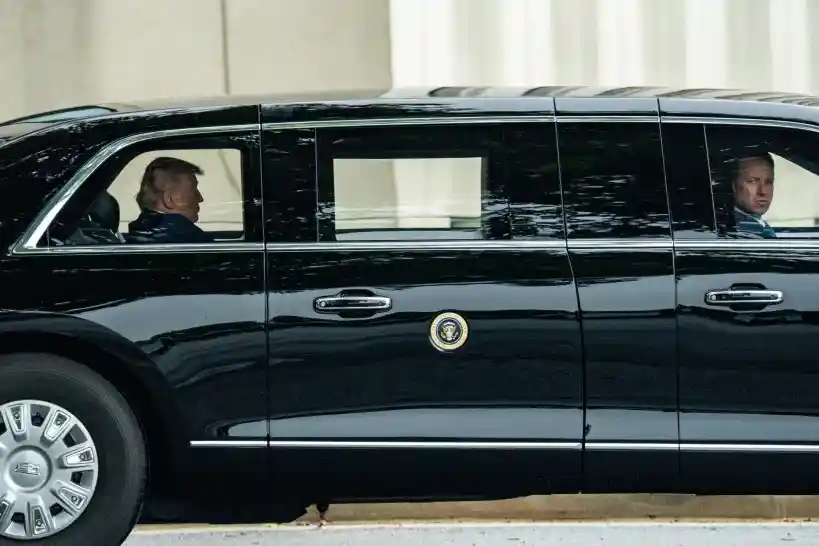
President Donald Trump gathered his Cabinet as negotiations to end the Iran conflict neared completion, while some Republican allies warned the proposed agreement could strengthen Tehran and weaken U.S. leverage in the Middle East.
President Donald Trump convened a high-level Cabinet meeting at the White House as his administration intensified efforts to finalize a controversial agreement aimed at ending the ongoing conflict with Iran, a move that has triggered growing concern among several Republican allies and foreign policy hawks who fear the deal could embolden Tehran and reshape power dynamics across the Middle East. The negotiations, which have been developing through indirect diplomatic channels involving regional mediators and international partners, focus on securing a long-term ceasefire, reopening critical shipping lanes in the Strait of Hormuz, easing tensions surrounding Iran’s nuclear activities, and stabilizing the broader region after months of military escalation involving the United States, Iran, Israel, and several allied groups. Trump described the discussions as being in their “final stages,” signaling optimism that a breakthrough could be achieved soon, though officials acknowledged significant obstacles remain unresolved.
According to administration officials, the proposed framework includes measures that would limit Iran’s ability to develop nuclear weapons, require international monitoring of uranium enrichment activities, and potentially provide sanctions relief in exchange for commitments designed to prevent renewed military confrontation. However, critics within Trump’s own political coalition argue the agreement resembles earlier nuclear arrangements that conservatives long opposed, particularly the Obama-era Iran nuclear deal that Trump himself withdrew from during his previous presidency. Several Republican lawmakers, including influential national security voices, have publicly warned that offering sanctions relief or loosening restrictions on Iran could allow Tehran to rebuild its military capabilities, strengthen regional proxy groups, and increase its influence throughout the Middle East.
Concerns have also emerged over the possibility that Iran could use economic gains from any settlement to expand support for organizations such as Hezbollah and other armed factions aligned with Tehran. The Cabinet meeting reportedly included discussions on military readiness, diplomatic coordination with allies, and contingency plans should negotiations collapse. Senior officials, including Secretary of State Marco Rubio and top national security advisers, emphasized that the administration remains committed to ensuring Iran cannot obtain a nuclear weapon and that any agreement would include strict enforcement mechanisms.
Trump also linked the negotiations to broader regional diplomacy efforts, including attempts to expand normalization agreements between Israel and Arab nations under the Abraham Accords framework. Some Middle Eastern governments cautiously welcomed efforts to reduce tensions but privately expressed concern that a rushed deal could undermine regional security if Iran receives major concessions without sufficient guarantees. Israel has also voiced skepticism about Tehran’s intentions, with Israeli officials insisting that any final agreement must completely dismantle Iran’s nuclear threat and prevent future military expansion.
Analysts note that the negotiations are unfolding against a backdrop of fragile ceasefires, disrupted global energy markets, and mounting economic pressure caused by instability in the Persian Gulf. The Strait of Hormuz, one of the world’s most strategically important oil transit routes, has become a focal point of the talks after military confrontations disrupted shipping traffic and raised fears of broader regional conflict. Trump’s administration argues that securing the waterway and restoring commercial stability are essential for protecting global economic interests and preventing further escalation.
Despite the administration’s confidence, divisions inside the Republican Party have become increasingly visible. Some Trump supporters who backed aggressive military action against Iran earlier in the conflict now worry the administration may compromise too much in pursuit of diplomatic success. Others argue that continued war carries greater risks, including economic instability, rising energy prices, and the possibility of a prolonged regional conflict involving U.
S. forces. Trump has defended the negotiations by insisting that his administration would never sign a deal that fails to fully protect American security interests, while also warning Iran that military action could resume if diplomatic progress stalls.
Reports suggest mediators from countries including Pakistan and Gulf states have played a significant role in facilitating communication between Washington and Tehran, helping reduce tensions and shape the current ceasefire framework. International observers say the outcome of the negotiations could have far-reaching consequences for global geopolitics, energy markets, and future U. S.
influence in the Middle East. Diplomats familiar with the discussions indicate that unresolved issues include the status of Iran’s enriched uranium stockpile, sanctions enforcement, regional militia activity, and long-term verification measures. Trump’s decision to personally oversee the Cabinet discussions highlights the political and strategic importance of the negotiations, particularly as the administration seeks to demonstrate both strength and diplomatic effectiveness during a period of heightened international uncertainty.
The debate surrounding the proposed agreement also reflects broader disagreements within Washington over how best to contain Iran’s ambitions while avoiding another prolonged military conflict in the region. Some foreign policy experts argue that diplomacy remains the only realistic path toward reducing nuclear tensions and stabilizing global oil markets, while opponents maintain that Tehran cannot be trusted to comply with agreements and may exploit concessions to expand its influence. Financial markets have closely monitored developments, with energy prices fluctuating in response to reports of progress or setbacks in the negotiations.
The administration hopes that a finalized agreement would reduce the risk of renewed conflict, restore international shipping confidence, and create conditions for further diplomatic engagement across the Middle East. However, political opposition from conservative lawmakers, concerns from Israeli officials, and lingering distrust between Washington and Tehran continue to complicate efforts to reach a final settlement. As negotiations continue, Trump faces mounting pressure to balance diplomatic ambitions with demands from allies and political supporters who believe any agreement with Iran must deliver clear and enforceable security guarantees.
The coming days are expected to be critical as officials work to finalize terms, address remaining disputes, and determine whether a lasting ceasefire can be transformed into a broader political agreement capable of preventing future conflict in one of the world’s most volatile regions.
May. 27, 2026