Trump Criticizes NATO Allies Over Iran as Mark Rutte Seeks to Ease Tensions
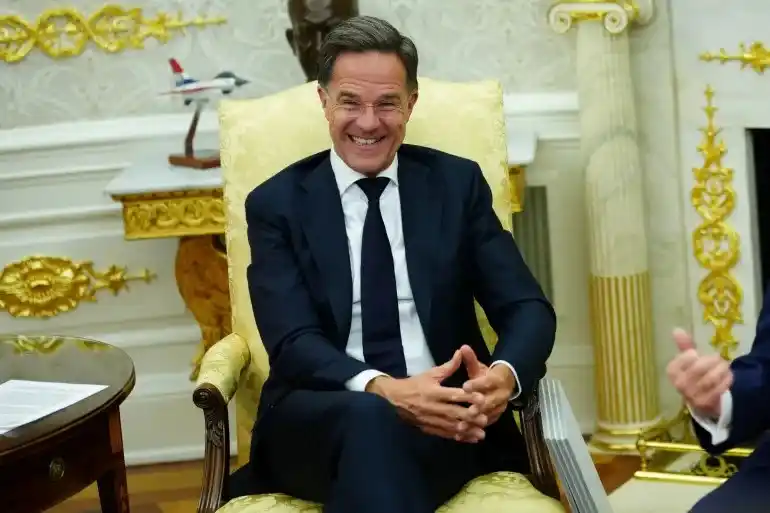
President Donald Trump criticized NATO allies for what he called insufficient support during the Iran conflict as NATO Secretary-General Mark Rutte met him at the White House ahead of next month's alliance summit.
President Donald Trump sharply criticized several NATO allies over what he described as their limited support during the recent conflict involving Iran, using a White House meeting with NATO Secretary-General Mark Rutte to voice his frustrations just weeks before the alliance's next summit. Speaking alongside Rutte in the Oval Office, Trump said the United States had carried much of the burden during the crisis while several European allies failed to provide the level of political and strategic backing he had expected. Although he stressed that Washington did not need financial assistance, he argued that the alliance should have shown stronger support during the conflict.
Trump specifically pointed to Italy, the United Kingdom, Germany, France and Spain, saying they had not matched the United States' commitment. His comments reflected long-standing concerns within his administration about burden-sharing and the role NATO members should play during international crises. The remarks come at a sensitive time for the alliance, with NATO leaders preparing to meet next month for a summit expected to focus on defense spending, European security and the alliance's future direction.
Rutte Seeks to Keep the Alliance United, Rutte arrived in Washington with the goal of easing tensions between the United States and its NATO partners while reinforcing the alliance's commitment to collective defense. During the meeting in the Oval Office, he noted that European member states had been steadily increasing their defense spending, and said many allies had responded to Trump’s long-standing calls for more investment by expanding their military contributions. The NATO secretary-general offered figures showing rising defense budgets across Europe, saying that Trump’s pressure had led member nations to pledge more resources to the alliance.
He said European governments had responded by strengthening military investment and increasing support for NATO operations. Despite Trump’s criticism, Rutte insisted the alliance remains united and said the United States continues to play a central leadership role within NATO. His visit was widely viewed as an effort to prevent disagreements over Iran and defense policy from overshadowing next month's summit.
Defense Spending Remains a Sticking Point, As in many previous discussions between Washington and its NATO partners, defense spending was at the center of the conversation. Trump repeated his view that European allies should continue increasing military spending and take on a greater share of responsibility for regional security rather than relying heavily on the United States. Rutte pointed to commitments by several member states to significantly increase defense budgets in the years ahead, describing those pledges as evidence that NATO governments had responded to concerns raised by Washington.
Trump, however, argued that higher military spending alone was not enough. He said allies should also demonstrate stronger political support when the alliance faces major international crises. The administration is also reviewing the future deployment of U.
S. troops in Europe, a move that has fueled concern among some allies about America's long-term military commitment to the continent. Defense Secretary Pete Hegseth has said in the past that European governments should do more to take care of their own defense.
As the summit draws closer, the debate over burden sharing is likely to remain among the alliance’s most closely watched issues. Summit Comes at a Critical Moment for NATO, The White House meeting underscored the balancing act NATO faces as it confronts evolving security challenges while trying to maintain unity among its members. The alliance is navigating complex issues that include the Middle East, European security and long-term defense planning, all against the backdrop of one of its most closely watched summits in recent years.
Although Trump voiced frustration with several allies, he also praised Rutte's leadership and indicated that he plans to attend the NATO summit. Rutte, for his part, continued to emphasize the importance of keeping the United States fully engaged with the alliance despite ongoing differences over Iran and broader foreign policy priorities. The discussions reflected both the strength and the strains within NATO.
As leaders prepare to meet next month, questions surrounding defense spending, alliance unity and collective responsibility are expected to dominate the agenda as member states seek a common approach to an increasingly uncertain global security environment.
June. 25, 2026