Federal Funding Boosts Puerto Rico Hurricane Reconstruction Projects Across the Island
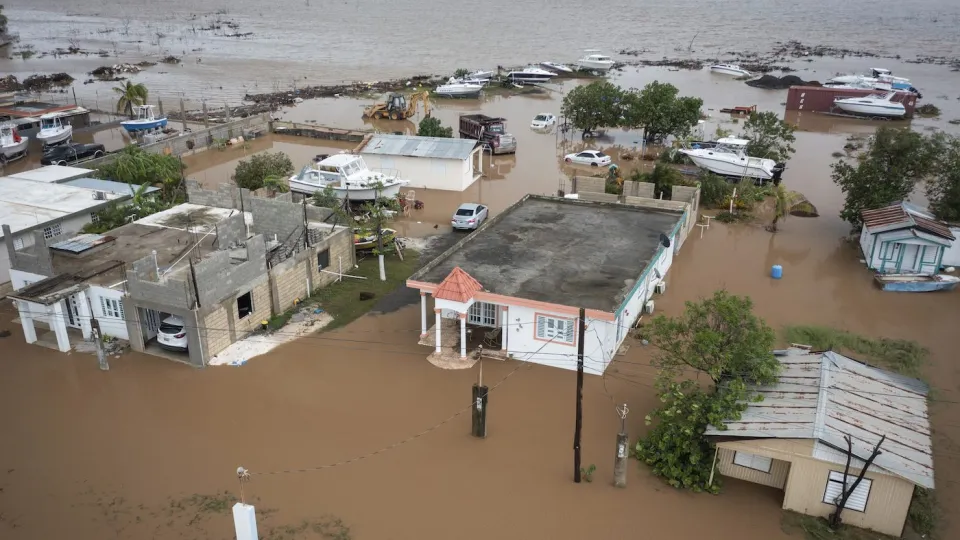
Federal funding is accelerating hurricane reconstruction projects across Puerto Rico, supporting infrastructure repairs, housing recovery, and community rebuilding efforts throughout the island.
Federal funding is helping accelerate hurricane reconstruction projects across Puerto Rico as government agencies and local communities continue efforts to rebuild infrastructure and strengthen resilience against future natural disasters. Officials say the financial support is playing a critical role in repairing homes, restoring public services, and modernizing essential facilities damaged by major storms in recent years. Puerto Rico has faced multiple devastating hurricanes that caused widespread destruction across the island.
Hurricanes damaged power grids, roads, bridges, schools, hospitals, and thousands of homes, leaving communities struggling to recover from the impacts of severe weather. In response, federal disaster recovery programs have allocated billions of dollars to support rebuilding initiatives. These funds are distributed through various programs aimed at restoring infrastructure, improving housing conditions, and strengthening emergency preparedness systems.
Government officials say the reconstruction projects now underway represent one of the largest infrastructure rebuilding efforts in Puerto Rico’s history. Construction crews are working across the island to repair damaged structures while also upgrading facilities to better withstand future storms. One major focus of reconstruction efforts involves modernizing the electrical grid.
Hurricanes exposed vulnerabilities in Puerto Rico’s power system, which suffered extensive outages that lasted for months in some communities. Federal funding has supported projects designed to strengthen transmission lines, upgrade substations, and incorporate renewable energy solutions that improve energy reliability. These upgrades are intended to reduce the likelihood of prolonged outages during future storms.
Transportation infrastructure is another priority area receiving significant investment. Many roads and bridges were severely damaged by flooding and landslides caused by hurricanes. Reconstruction projects aim to repair these routes while incorporating stronger materials and engineering designs that enhance durability.
Improving transportation networks is essential for both daily travel and emergency response. Reliable roads allow residents to access healthcare, employment, and essential services while enabling emergency teams to reach affected communities quickly during disasters. Housing reconstruction has also been a major component of the recovery effort.
Thousands of homes suffered damage or were destroyed during hurricanes, leaving many families in temporary housing or facing difficult living conditions. Federal housing programs are providing financial assistance to help homeowners repair or rebuild properties. In some cases, reconstruction efforts include improvements designed to make homes more resistant to strong winds and flooding.
Community facilities such as schools, hospitals, and public buildings are also being rebuilt with support from federal funding. These projects aim not only to restore services but also to create safer and more resilient spaces for residents. Education infrastructure has been a particular focus in some regions, where damaged schools required extensive repairs.
Upgraded facilities provide safer learning environments for students while ensuring that educational programs can continue without disruption. Healthcare facilities are also benefiting from reconstruction funding. Hospitals and clinics damaged by storms are undergoing repairs and modernization efforts that strengthen their ability to operate during emergencies.
Economic development experts say reconstruction projects can provide important economic benefits beyond infrastructure improvements. Construction activities create jobs and stimulate demand for materials, equipment, and services across the local economy. Local contractors, engineers, and skilled laborers often participate in rebuilding projects, contributing to economic growth in communities affected by disasters.
The reconstruction effort also emphasizes resilience and sustainability. Engineers and urban planners are incorporating climate-resilient designs that reduce the vulnerability of infrastructure to extreme weather events. For example, some projects include improved drainage systems, stronger building materials, and elevated structures that protect facilities from flooding.
Environmental considerations are also integrated into reconstruction planning. Protecting natural ecosystems such as wetlands and mangrove forests can help reduce storm impacts by absorbing floodwaters and buffering coastal areas. Community engagement plays an important role in guiding reconstruction priorities.
Local residents, business owners, and community organizations often participate in discussions about rebuilding projects to ensure that investments reflect local needs. Public meetings and consultations allow residents to share feedback about infrastructure improvements, housing programs, and disaster preparedness initiatives. Government officials say transparency and accountability are essential when managing large-scale reconstruction funding.
Oversight mechanisms and project monitoring systems help ensure that funds are used effectively and that projects are completed according to established timelines. Despite the progress made, rebuilding an entire island after major hurricanes remains a complex and long-term effort. Some projects require extensive planning, environmental reviews, and coordination among multiple agencies before construction can begin.
However, officials say the continued flow of federal funding has helped maintain momentum for recovery efforts. Residents across Puerto Rico are gradually seeing improvements as reconstruction projects move forward. Repaired roads, rebuilt schools, and stronger homes provide visible signs of progress and renewed hope for communities affected by past disasters.
Disaster preparedness experts say the lessons learned from previous hurricanes are helping shape a more resilient future for the island. Investments in infrastructure, housing, and emergency response systems can help ensure that Puerto Rico is better prepared for future storms. As reconstruction projects continue across the island, government leaders emphasize that the goal is not simply to rebuild what was lost but to create stronger communities capable of withstanding future challenges.
With federal funding supporting these initiatives, Puerto Rico’s recovery and resilience efforts are gradually transforming the island’s infrastructure while laying the foundation for long-term stability and economic growth.
Mar. 13, 2026