Housing Affordability Concerns Grow as Property Prices Rise in Puerto Rico
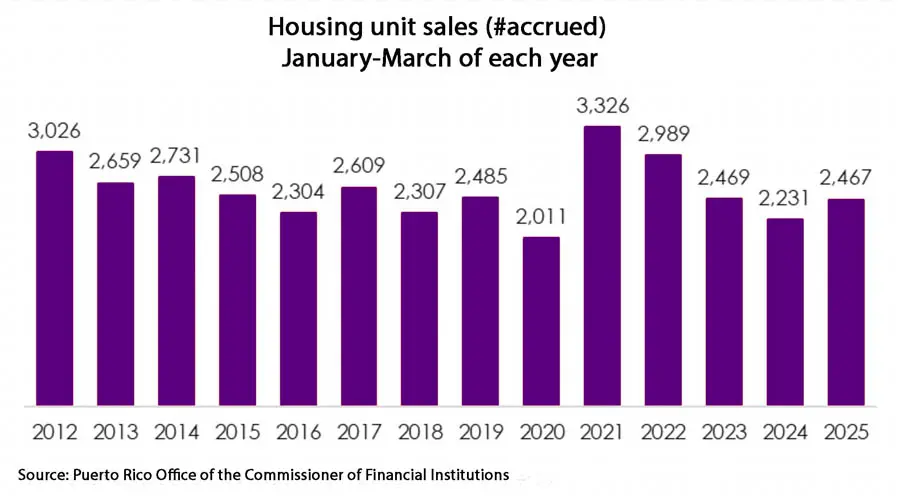
Housing affordability concerns are increasing across Puerto Rico as rising property prices and limited housing supply place pressure on residents and first-time homebuyers.
Concerns about housing affordability are growing across Puerto Rico as property prices continue to rise in many parts of the island. Economists, housing advocates, and community leaders say the increase in home values has created challenges for local residents seeking affordable housing, particularly first-time homebuyers and low- to middle-income families. In recent years, Puerto Rico’s real estate market has experienced notable changes driven by increased demand, limited housing supply, and growing interest from investors and new residents.
These factors have pushed property prices upward, particularly in urban centers and popular coastal areas. Real estate analysts say the rising prices reflect a combination of market forces. In some regions, new investment and development have helped revitalize neighborhoods and improve infrastructure.
However, the rapid increase in property values has also made it more difficult for many local residents to purchase homes. San Juan and surrounding metropolitan areas have seen some of the most significant price increases. Neighborhoods that attract tourism and new development projects often experience higher demand, which can lead to competitive housing markets and rising costs.
For many Puerto Rican families, homeownership has long been considered an important part of economic stability and generational wealth. As property prices rise faster than incomes in some areas, the path to homeownership becomes more difficult for younger buyers entering the housing market. Housing advocates say that affordability challenges are not limited to home purchases.
Rental costs have also increased in certain communities, placing additional pressure on households already dealing with rising living expenses. Limited housing supply is a major factor contributing to these challenges. In many regions, there are fewer available homes than potential buyers, creating competition that drives up prices.
Construction of new housing developments has been slower than demand in some markets. Natural disasters have also affected housing availability. Hurricanes and severe storms have damaged or destroyed homes in various parts of the island, reducing the number of available housing units and creating additional demand for rebuilding and reconstruction.
Government officials have acknowledged the growing affordability concerns and say that housing policy will remain a priority. Programs designed to support affordable housing construction and provide financial assistance for homebuyers are among the initiatives being considered. Some policymakers have proposed incentives for developers to build more affordable housing units, particularly in areas where demand is strongest.
These programs aim to encourage new construction while ensuring that housing options remain accessible for residents with different income levels. Community leaders emphasize that affordable housing is essential for maintaining stable neighborhoods and preventing displacement. When housing costs rise too quickly, long-time residents may find it difficult to remain in their communities.
The issue has become especially important in areas experiencing increased tourism and real estate investment. While tourism and investment can bring economic benefits, they may also contribute to rising housing costs if demand for property grows rapidly. Economists note that Puerto Rico’s housing market reflects broader trends seen in many regions around the world.
As global investment flows into real estate and housing demand grows, affordability challenges often emerge in markets with limited supply. In Puerto Rico’s case, the island’s growing appeal as a travel destination and investment location has attracted interest from buyers outside the local market. Some investors are purchasing properties for vacation rentals or long-term investment opportunities.
While these investments can support economic activity, they may also influence housing availability and prices in certain areas. Balancing economic growth with housing accessibility has become an important topic of discussion among policymakers and urban planners. Housing experts say that addressing affordability concerns requires a combination of strategies.
Expanding housing supply through new construction, encouraging mixed-income developments, and improving financing options for first-time buyers are among the approaches often recommended. Improving infrastructure and transportation systems can also help expand housing opportunities. When transportation networks allow people to commute easily from different areas, housing demand may spread across a wider geographic region, potentially easing price pressures in urban centers.
Financial education and homeownership assistance programs can also help residents navigate the housing market. Some nonprofit organizations provide counseling services to help buyers understand mortgage options, budgeting strategies, and the home purchasing process. These resources can be especially valuable for first-time buyers who may face complex financial decisions when purchasing property.
The housing market also plays a broader role in Puerto Rico’s economic development. Construction activity supports jobs in building trades, architecture, engineering, and real estate services. However, ensuring that housing remains accessible for local residents is essential for maintaining balanced economic growth and strong communities.
Many residents hope that policymakers will continue exploring solutions that support both economic development and housing affordability. Community engagement and collaboration between government agencies, developers, and local organizations will likely be important in shaping future housing policies. As property prices continue to evolve, Puerto Rico’s housing market will remain a closely watched issue affecting families, businesses, and communities across the island.
For many residents, the goal is clear: ensuring that Puerto Rico remains a place where people can afford to live, work, and build stable futures in the communities they call home.
Mar. 13, 2026