New Infrastructure Investments Aim to Improve Puerto Rico’s Aging Road Network
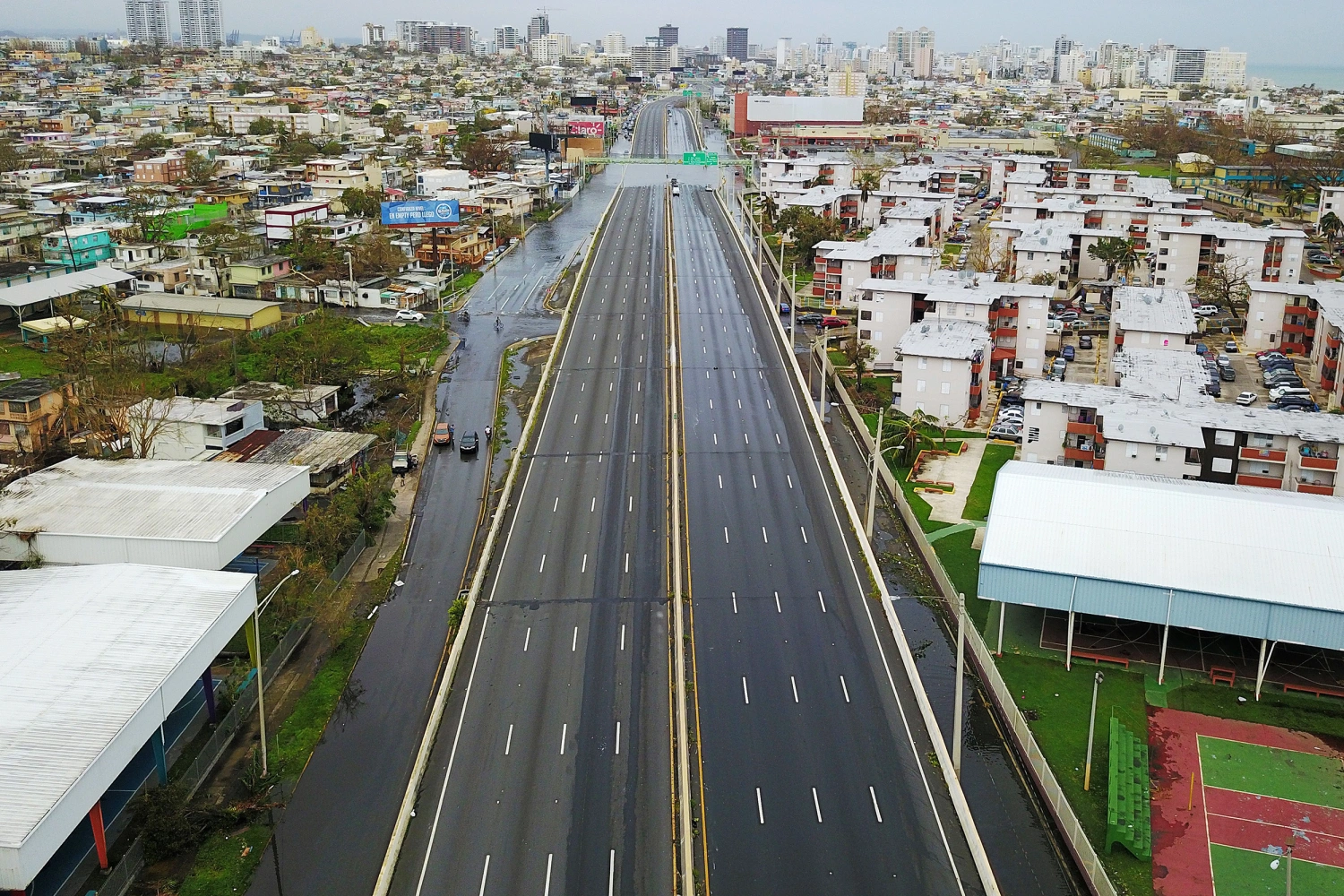
Puerto Rico is launching new infrastructure investments to repair and modernize its aging road network, aiming to improve transportation safety, reduce congestion, and support economic development.
New infrastructure investments are being directed toward improving Puerto Rico’s aging road network as government officials and transportation planners work to modernize the island’s transportation system. The initiative focuses on repairing damaged roads, upgrading bridges, and strengthening transportation infrastructure to support both daily commuting and economic activity. Puerto Rico’s road network serves as the primary mode of transportation for millions of residents and businesses across the island.
Highways, rural roads, and urban streets connect communities and allow goods and services to move efficiently between cities, ports, and industrial centers. However, years of heavy use, limited maintenance funding, and damage caused by natural disasters have left many sections of the road network in need of repair. Transportation authorities say infrastructure improvements are essential for maintaining safety and ensuring reliable mobility for residents.
The new investment plan includes funding for resurfacing highways, repairing potholes, strengthening bridges, and upgrading drainage systems designed to prevent flooding during heavy rainfall. These improvements aim to extend the lifespan of existing infrastructure while reducing the need for costly emergency repairs. One major focus of the program is improving highway corridors that serve as critical routes for economic activity.
These roads connect major population centers, industrial zones, airports, and seaports that support Puerto Rico’s trade and tourism sectors. Transportation officials say improving these corridors can help reduce traffic congestion and improve travel times for commuters and commercial transportation vehicles. In addition to repairs, the infrastructure plan also includes modernization efforts that introduce new technologies for road management and traffic control.
Smart traffic systems, improved signage, and digital monitoring tools can help transportation agencies manage road conditions more efficiently. For example, sensors and data systems can provide real-time information about traffic flow, accidents, and road conditions. These technologies allow transportation authorities to respond quickly to incidents and optimize traffic patterns.
Bridge repairs are another critical component of the infrastructure initiative. Many bridges across Puerto Rico’s road network were constructed decades ago and require structural upgrades to meet modern safety standards. Engineering assessments are being conducted to identify bridges that require reinforcement or replacement.
Strengthening these structures helps ensure that transportation networks remain safe for both passenger vehicles and heavy commercial traffic. Natural disasters have played a major role in highlighting the need for stronger infrastructure. Hurricanes and severe storms have damaged roads, bridges, and drainage systems in various parts of the island.
The new investments aim to incorporate climate-resilient design features that allow infrastructure to better withstand extreme weather events. Improved drainage systems and stronger construction materials can help reduce damage during storms and flooding. Transportation improvements also support economic development.
Reliable road networks allow businesses to transport goods efficiently and connect workers with employment opportunities. Industries such as tourism, agriculture, and manufacturing depend heavily on transportation infrastructure. Tourists traveling between airports, hotels, and attractions rely on well-maintained roads, while farmers and manufacturers need efficient logistics networks to deliver products to markets.
Infrastructure investments can also create jobs in construction, engineering, and transportation services. Large road improvement projects often employ workers across multiple sectors, contributing to local economic activity. Government officials say funding for these projects comes from a combination of local budgets, federal infrastructure programs, and disaster recovery funds allocated after major storms.
Federal infrastructure initiatives have provided new opportunities for U. S. states and territories to modernize transportation networks.
Puerto Rico has been able to access some of these resources to support long-term infrastructure development. Community engagement is also an important part of the planning process. Transportation authorities often consult with local governments, businesses, and residents when designing infrastructure projects.
Public input helps identify areas where road conditions present the greatest challenges for daily travel. It also ensures that infrastructure improvements reflect the needs of communities across the island. Urban planners are also considering how improved road networks can support future transportation innovations.
Electric vehicles, public transit improvements, and smart mobility technologies may play larger roles in Puerto Rico’s transportation system in the coming years. Designing infrastructure that accommodates these technologies can help ensure that investments remain relevant for decades to come. Environmental considerations are also part of modern infrastructure planning.
Road construction and repairs must balance development needs with efforts to protect natural ecosystems and reduce environmental impact. Sustainable construction practices and careful environmental assessments help minimize disruption to surrounding landscapes and communities. Transportation experts say maintaining infrastructure is a long-term process that requires consistent investment and planning.
Roads and bridges must be regularly inspected and maintained to ensure safety and reliability. The current infrastructure initiative represents an important step toward addressing years of deferred maintenance and modernizing the island’s transportation network. For many residents, improved roads can make daily life easier by reducing travel times and improving safety for drivers and pedestrians.
As construction projects move forward, officials hope that the improvements will strengthen Puerto Rico’s transportation system while supporting economic growth and community development. In the long term, modern infrastructure will play a key role in ensuring that Puerto Rico remains connected, resilient, and prepared for future challenges.
Mar. 13, 2026