New Environmental Initiative Targets Coastal Conservation in Puerto Rico
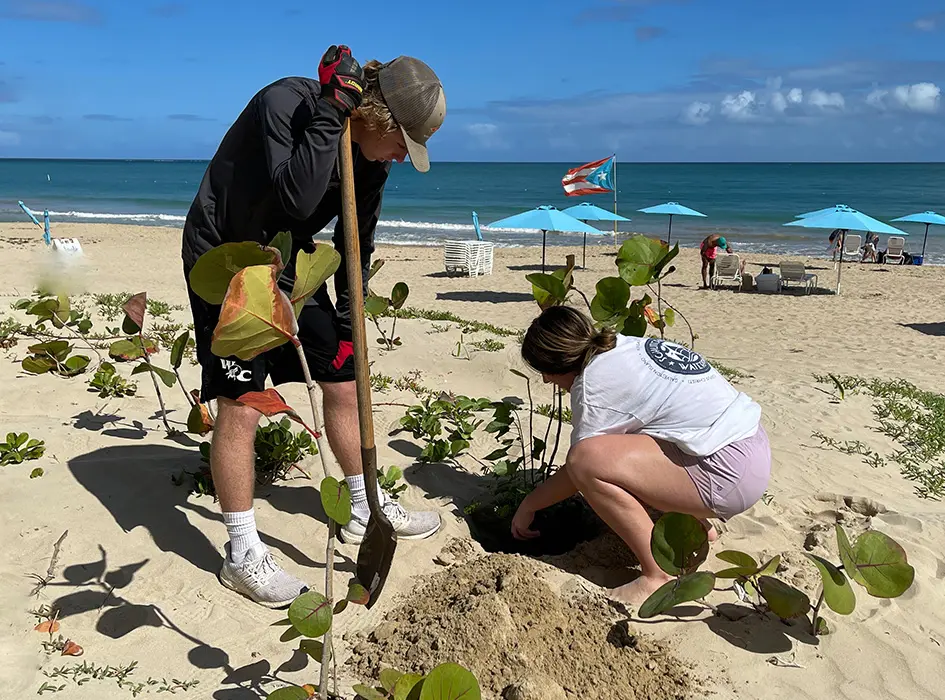
A new environmental initiative in Puerto Rico aims to protect coastal ecosystems through conservation programs, habitat restoration, and sustainable development strategies.
A new environmental initiative launched in Puerto Rico is focusing on protecting the island’s fragile coastal ecosystems through conservation efforts, habitat restoration projects, and sustainable development strategies. Environmental officials say the program is designed to address growing concerns about coastal erosion, climate change, and the long-term health of marine ecosystems that support local communities and the tourism industry. Puerto Rico’s coastline stretches for hundreds of miles and includes beaches, coral reefs, mangrove forests, and estuaries that play a vital role in the island’s natural environment.
These coastal areas not only provide habitat for marine life but also protect inland communities from storms and rising sea levels. The newly announced initiative brings together government agencies, environmental organizations, scientists, and community groups to coordinate conservation efforts across multiple coastal regions. Officials say collaboration among these stakeholders is essential for ensuring that environmental protection strategies are both effective and sustainable.
One of the central goals of the initiative is the restoration of coastal habitats that have been damaged by storms, pollution, and development pressures. Mangrove forests, which serve as natural barriers against storm surges and coastal flooding, are among the ecosystems targeted for restoration. Mangroves also provide critical breeding grounds for fish and other marine species that support local fishing industries.
By restoring mangrove habitats, conservationists hope to strengthen both ecological resilience and economic sustainability for coastal communities. Coral reef protection is another major focus of the initiative. Puerto Rico’s coral reefs are among the most diverse ecosystems in the Caribbean, but they have faced increasing stress from rising ocean temperatures, pollution, and overfishing.
Scientists involved in the program plan to expand coral restoration projects that involve cultivating coral fragments in underwater nurseries before transplanting them onto damaged reef structures. These efforts aim to accelerate reef recovery and improve biodiversity. Coastal erosion has also become a growing concern in many parts of Puerto Rico.
Stronger storms and rising sea levels linked to climate change are gradually reshaping shorelines, threatening homes, infrastructure, and natural habitats. The conservation initiative includes studies designed to better understand erosion patterns and identify solutions that protect coastal landscapes while preserving natural processes. These solutions may include restoring dunes, planting coastal vegetation, and limiting development in vulnerable areas.
Education and public awareness are key components of the program. Environmental organizations plan to work with schools, universities, and local communities to promote greater understanding of coastal ecosystems and the importance of conservation. Community volunteers may participate in activities such as beach cleanups, mangrove planting events, and citizen science projects that monitor marine life and water quality.
These initiatives help build local engagement while providing valuable environmental data. Tourism is closely connected to the health of Puerto Rico’s coastal environment. Many visitors travel to the island to enjoy its beaches, snorkeling areas, and marine wildlife.
Protecting these natural resources is essential for maintaining the tourism sector, which plays a major role in the island’s economy. Sustainable tourism practices are therefore an important part of the conservation strategy. Officials say tourism businesses can support environmental protection by reducing waste, protecting marine habitats, and educating visitors about responsible travel behavior.
Fishing communities are also involved in the conservation initiative. Sustainable fishing practices help ensure that marine populations remain healthy while supporting the livelihoods of local fishermen. By working with fishing cooperatives and marine scientists, the program aims to promote responsible resource management and long-term sustainability for coastal industries.
Climate change remains one of the most significant challenges facing Puerto Rico’s coastal ecosystems. Rising ocean temperatures, stronger hurricanes, and sea level rise all threaten marine habitats and coastal communities. Environmental experts say proactive conservation efforts are essential for increasing resilience to these challenges.
Protecting natural ecosystems such as coral reefs and mangrove forests can help buffer coastlines from storm damage and reduce the impact of extreme weather events. The initiative also includes research partnerships with universities and environmental institutes that will study the long-term health of coastal ecosystems. Data collected through these research efforts will help inform future conservation strategies and environmental policies.
Government officials say funding for the initiative will come from a combination of local government programs, federal environmental grants, and partnerships with nonprofit organizations. The program aligns with broader environmental goals aimed at promoting sustainability and protecting Puerto Rico’s natural resources for future generations. Environmental advocates say that preserving coastal ecosystems is not only about protecting wildlife but also about safeguarding the communities and economies that depend on these environments.
Healthy coastlines contribute to food security, tourism, disaster resilience, and cultural traditions tied to the sea. As the initiative moves forward, organizers hope it will serve as a model for collaborative environmental protection efforts in the Caribbean region. By bringing together scientists, policymakers, and community members, the program aims to create lasting solutions that balance environmental conservation with economic development.
For Puerto Rico, protecting its coastal ecosystems is a vital step toward ensuring that the island’s natural beauty and biodiversity remain a source of pride and prosperity for generations to come.
Mar. 13, 2026