Puerto Rico Expands Solar Microgrid Projects to Reduce Reliance on Fossil Fuels
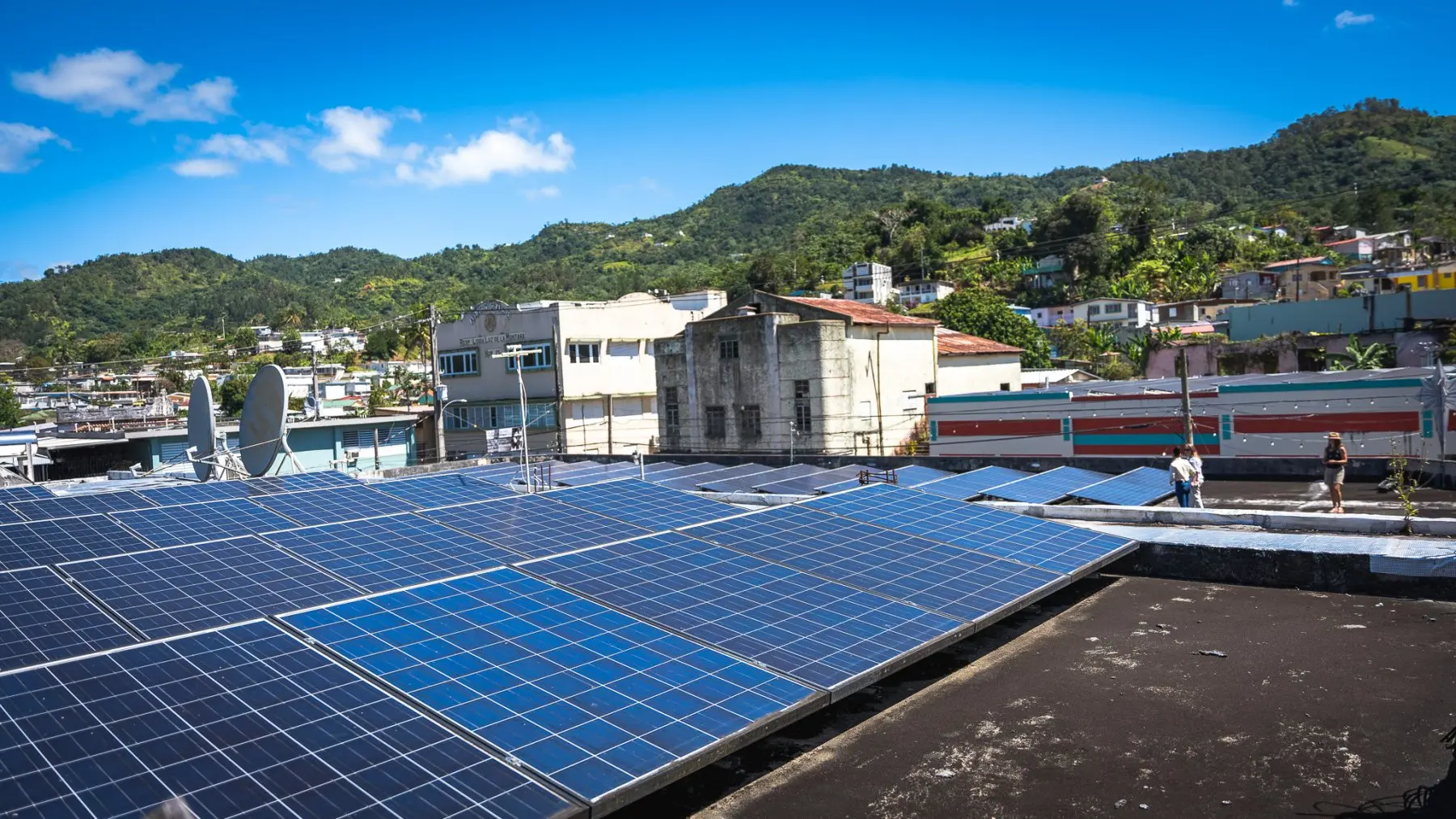
Puerto Rico is expanding solar microgrid projects across the island as part of efforts to reduce dependence on fossil fuels and strengthen energy resilience.
Puerto Rico is expanding solar microgrid projects across the island in an effort to reduce reliance on fossil fuels and strengthen the resilience of its power system. Government officials, energy experts, and environmental organizations say the growing number of microgrid installations represents an important step toward a more sustainable and reliable energy future. Solar microgrids are localized energy systems that generate electricity through solar panels and store excess energy in batteries.
Unlike traditional centralized power systems, microgrids can operate independently from the main electrical grid when necessary. This capability allows communities to maintain power during outages caused by storms or infrastructure failures. Puerto Rico’s push to develop microgrids follows years of challenges involving the island’s electrical infrastructure.
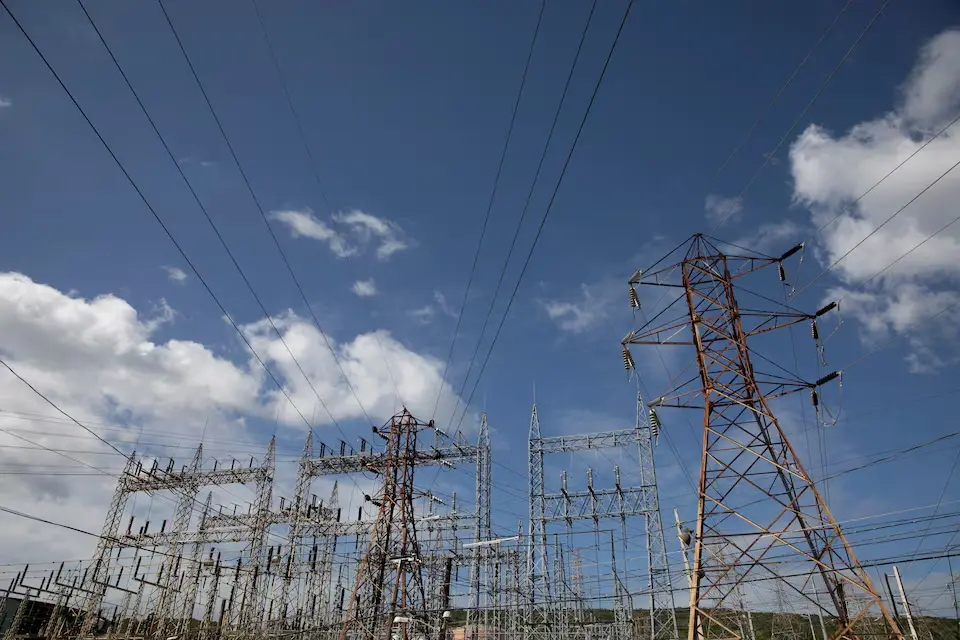
Hurricanes and severe storms have repeatedly damaged transmission lines and power plants, causing widespread outages that have affected homes, businesses, hospitals, and schools. Energy policymakers say microgrids can help reduce the risk of prolonged power disruptions by creating decentralized sources of electricity. Instead of relying solely on large power plants and long transmission lines, communities can generate and store their own energy locally.
The solar microgrid projects currently underway are being installed in a variety of locations, including residential communities, schools, healthcare facilities, and municipal buildings. In many cases, these installations combine solar panels with battery storage systems that allow electricity to be used even after sunset or during cloudy weather. Hospitals and emergency response facilities are among the priority locations for microgrid development.
Maintaining reliable electricity is critical for healthcare operations, especially during natural disasters when medical services are in high demand. Schools and community centers are also being equipped with solar microgrids that can serve as emergency shelters during power outages. These facilities can provide lighting, communication equipment, refrigeration, and other essential services during emergencies.
Energy experts say the expansion of microgrids aligns with Puerto Rico’s broader renewable energy goals. Government energy policies call for increasing the share of electricity generated from renewable sources over the coming decades. Solar energy plays a central role in these plans because Puerto Rico receives abundant sunlight throughout the year.
The island’s climate and geography make it well suited for large-scale solar projects as well as distributed systems such as rooftop installations and community microgrids. Battery storage technology has been an important component of the microgrid expansion. Modern lithium-ion batteries allow energy produced during peak sunlight hours to be stored and used later when demand increases.
This capability helps balance electricity supply and demand while ensuring that renewable energy systems remain reliable. Advances in battery technology have also reduced costs, making solar microgrids more accessible to communities and institutions. Funding for these projects comes from a combination of government programs, federal recovery funds, and private sector investments.
Following major hurricanes, federal disaster recovery initiatives allocated significant resources to support energy infrastructure improvements in Puerto Rico. These funds are helping finance renewable energy installations that improve resilience and reduce the island’s dependence on imported fuel. Historically, Puerto Rico has relied heavily on fossil fuels such as oil and natural gas to generate electricity.
Because most of these fuels must be imported, energy costs on the island have often been higher than in many parts of the mainland United States. By expanding renewable energy systems, policymakers hope to stabilize electricity prices and reduce exposure to fluctuations in global fuel markets. Environmental advocates also emphasize the climate benefits of transitioning to cleaner energy sources.
Solar power produces electricity without generating greenhouse gas emissions or air pollution. Reducing fossil fuel consumption can help improve air quality and contribute to global efforts to address climate change. The development of solar microgrids also supports economic growth.
Renewable energy projects create jobs for engineers, technicians, construction workers, and maintenance specialists involved in designing and installing energy systems. Workforce training programs have been introduced to prepare local workers for careers in the renewable energy industry. Technical institutes and universities in Puerto Rico are offering courses focused on solar installation, energy management, and electrical engineering.
Local communities are also playing an active role in supporting renewable energy initiatives. Some neighborhoods have organized cooperative projects that allow residents to share the benefits of community solar installations. These initiatives promote local participation while ensuring that renewable energy solutions address community needs.
Despite the progress made, energy experts note that transitioning an entire power system to renewable sources requires careful planning and coordination. Integrating decentralized microgrids with the main electrical grid involves technical challenges that must be addressed through modern grid management systems. Investments in grid modernization, smart energy technologies, and improved transmission infrastructure will be necessary to support the continued expansion of renewable energy.
Puerto Rico’s renewable energy transition is being closely watched by other regions facing similar challenges with aging infrastructure and climate vulnerability. The island’s efforts to build a decentralized and resilient power system could provide valuable lessons for other communities seeking to adopt clean energy solutions. As solar microgrid projects continue to expand, many residents are hopeful that the improvements will lead to a more reliable and sustainable energy system.
For Puerto Rico, the shift toward renewable power represents not only an environmental initiative but also a long-term strategy to strengthen energy independence and protect communities from future disruptions. With new solar installations and microgrid projects coming online across the island, Puerto Rico’s path toward a cleaner and more resilient energy future is steadily taking shape.
Mar. 13, 2026