Puerto Rico Farmers Push for Agricultural Reforms to Strengthen Local Food Production
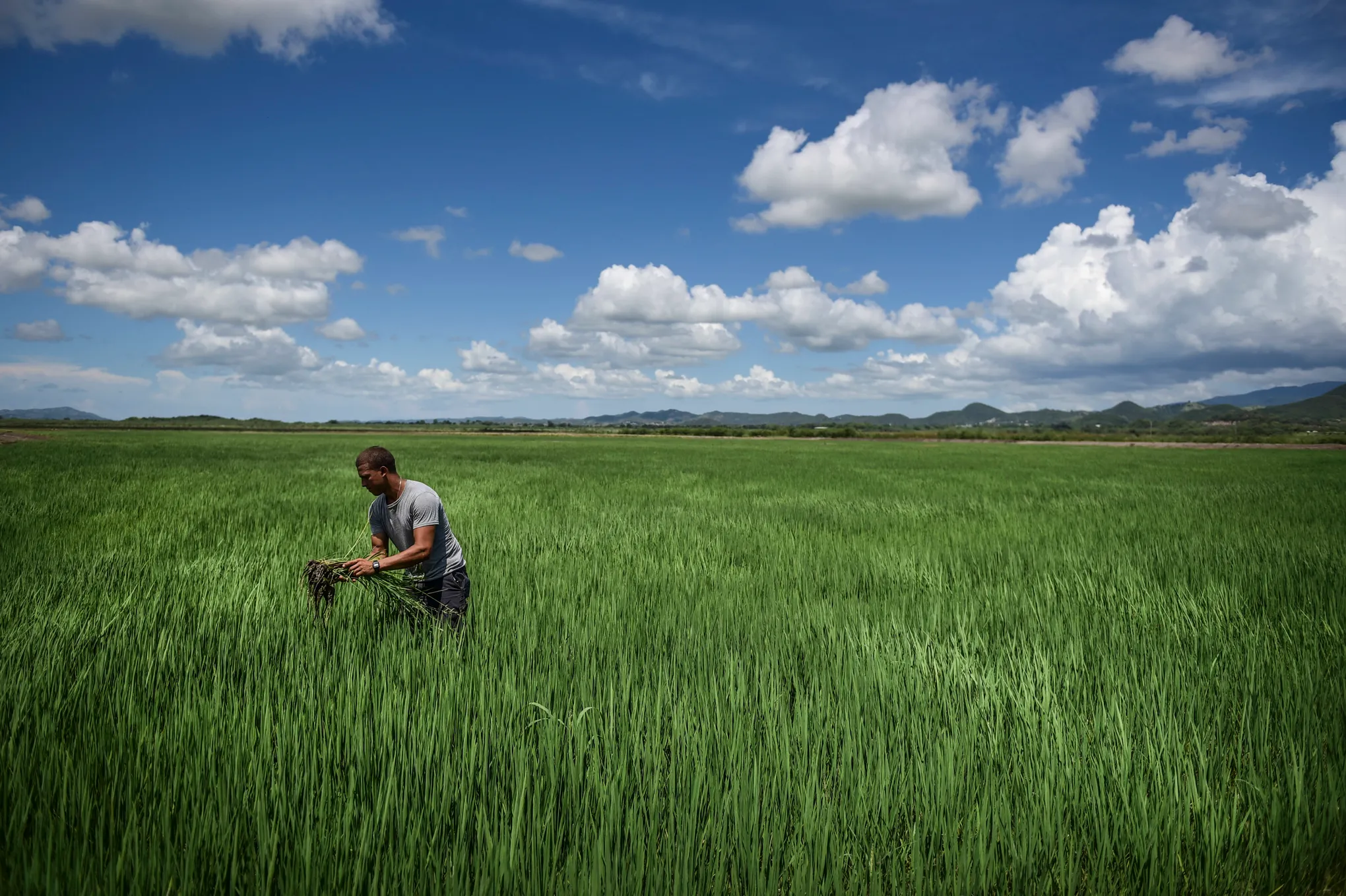
Farmers across Puerto Rico are calling for agricultural reforms aimed at strengthening local food production, improving supply chains, and reducing the island’s reliance on imported food.
Farmers across Puerto Rico are urging policymakers to implement agricultural reforms designed to strengthen local food production and improve the island’s long-term food security. Agricultural leaders say the push for reform reflects growing concerns about the island’s heavy reliance on imported food and the need to support local farming communities. Puerto Rico currently imports a large percentage of the food consumed on the island, a situation that many farmers believe creates vulnerabilities in supply chains and increases costs for consumers.
Disruptions to global shipping networks, rising transportation expenses, and changing climate conditions have all highlighted the importance of building a more resilient local food system. Agricultural organizations and farming cooperatives say reforms could help expand local production by providing better access to funding, modern equipment, and technical support for farmers. Many small and medium-sized farms face financial challenges that make it difficult to scale operations or invest in new agricultural technologies.
Farmers argue that stronger government policies could help revitalize the agricultural sector and encourage younger generations to pursue careers in farming. In recent decades, Puerto Rico’s agricultural workforce has declined as many rural residents moved to urban areas or migrated to the mainland United States in search of economic opportunities. Reviving local agriculture, advocates say, could create new jobs in rural communities while also strengthening food security across the island.
Increasing domestic food production may reduce dependence on imported goods and provide consumers with fresher, locally grown products. One of the key reforms proposed by agricultural groups involves improving access to land for farming. Some farmers say that unused or underutilized land could be converted into productive farmland if proper support programs were introduced.
Land development initiatives could include leasing programs, agricultural cooperatives, and government-backed projects designed to help new farmers establish operations. These efforts may help expand agricultural capacity while supporting community-based farming initiatives. Farmers are also advocating for improvements in agricultural infrastructure.
Modern irrigation systems, storage facilities, and transportation networks can help ensure that crops reach markets efficiently and reduce the risk of food waste. In some rural areas, limited infrastructure makes it difficult for farmers to transport products to urban markets where demand is highest. Improving roads, distribution networks, and supply chains could strengthen connections between farmers and consumers.
Climate change has also become a major concern for Puerto Rico’s agricultural sector. Extreme weather events such as hurricanes and droughts can significantly affect crop yields and damage farmland. Farmers say agricultural reforms should include investments in climate-resilient farming practices that help protect crops and maintain productivity despite changing environmental conditions.
These practices may include improved soil management, crop diversification, and the adoption of sustainable farming technologies that conserve water and reduce environmental impact. Agricultural education and training programs are another important part of the reform discussion. Universities and agricultural institutes in Puerto Rico are working to provide training in modern farming techniques, sustainable agriculture, and agribusiness management.
By equipping farmers with updated knowledge and skills, these programs can help increase productivity and improve the competitiveness of Puerto Rican agriculture. Local food markets and farm-to-table initiatives are also gaining popularity on the island. Restaurants, grocery stores, and consumers are showing growing interest in locally produced food, which can support farmers while promoting healthier and more sustainable diets.
Some chefs and food entrepreneurs have partnered with local farms to create menus featuring Puerto Rican ingredients and traditional agricultural products. These collaborations highlight the cultural and culinary value of locally grown food. Agricultural advocates say expanding these local food networks could play an important role in strengthening Puerto Rico’s food system.
When consumers support local farmers, the economic benefits often remain within the community. Government agencies responsible for agriculture have acknowledged the challenges facing the sector and say they are exploring policies designed to support farmers and encourage agricultural development. These policies may include financial incentives, technical assistance programs, and partnerships with private investors interested in supporting agricultural innovation.
The agricultural sector also plays an important role in environmental conservation. Well-managed farms can help protect natural landscapes, maintain biodiversity, and preserve traditional farming practices that are part of Puerto Rico’s cultural heritage. Farmers often serve as stewards of the land, maintaining ecosystems that support both agriculture and wildlife.
Protecting farmland from excessive development can help preserve these environmental benefits. Economic experts say strengthening local agriculture could contribute to Puerto Rico’s broader economic resilience. By producing more food locally, the island may reduce vulnerability to global supply disruptions and fluctuating import costs.
At the same time, expanding agriculture can create new business opportunities in areas such as food processing, distribution, and agritourism. Agritourism initiatives allow visitors to experience farming activities, learn about traditional crops, and purchase locally produced goods directly from farms. These experiences can provide additional income streams for farmers while promoting Puerto Rico’s agricultural heritage.
Despite the challenges, many farmers remain optimistic about the future of agriculture on the island. With the right policies and investments, they believe Puerto Rico can build a stronger agricultural sector capable of supporting both local communities and the broader economy. As discussions about agricultural reform continue, farmers hope that policymakers will prioritize strategies that empower rural communities and strengthen local food production.
For Puerto Rico, the effort to revitalize agriculture represents more than an economic initiative—it is also an opportunity to reconnect with the island’s farming traditions while building a sustainable and resilient food system for future generations.
Mar. 13, 2026