Puerto Rico Ports See Increased Cargo Activity as Caribbean Trade Recovers
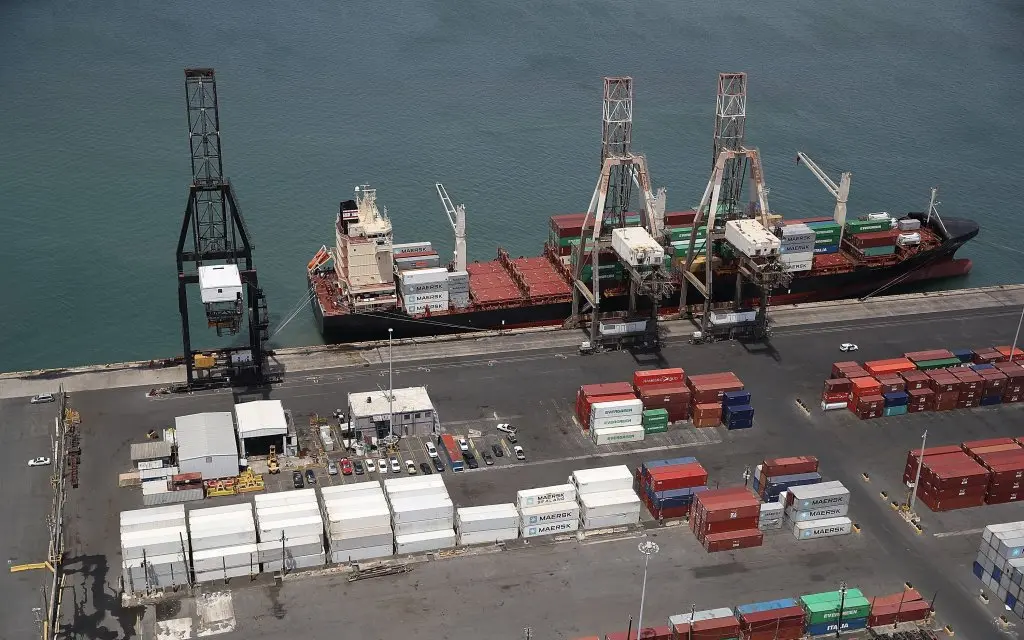
Ports across Puerto Rico are reporting increased cargo activity as regional trade rebounds and shipping volumes in the Caribbean begin to recover.
Ports across Puerto Rico are experiencing increased cargo activity as regional trade in the Caribbean continues to recover, according to port authorities and logistics industry officials. The rise in shipping volumes reflects improving economic conditions and growing demand for goods moving between Puerto Rico, the United States mainland, and neighboring Caribbean markets. Puerto Rico plays an important role in Caribbean trade due to its strategic geographic location and its status as a U.
S. territory. The island’s ports serve as key entry points for imported goods while also supporting exports and regional distribution networks.
Port officials say cargo volumes have gradually increased over the past several months as supply chains stabilize following disruptions caused by the global pandemic and other economic challenges. The recovery of tourism, construction activity, and consumer spending across the region has contributed to stronger demand for shipping services. The Port of San Juan, one of the busiest maritime hubs in the Caribbean, has seen particularly strong activity.
The port handles a wide range of cargo, including food products, construction materials, consumer goods, and industrial equipment. Shipping companies operating in Puerto Rico report that increased imports are helping meet demand from businesses and retailers across the island. As economic activity grows, companies require steady supplies of materials and products to maintain operations.
Container shipping remains one of the most important segments of Puerto Rico’s maritime trade. Large container vessels regularly transport goods between Puerto Rico and major U. S.
ports along the East Coast and Gulf Coast. These shipping routes are essential for maintaining the island’s supply chain, as Puerto Rico imports a significant portion of the products consumed by residents and businesses. In addition to imports, Puerto Rico also exports manufactured products, pharmaceuticals, medical devices, and agricultural goods.
The island has long been a major center for pharmaceutical production, and many of these products are shipped to international markets through Puerto Rican ports. Port authorities say increased cargo activity can have a positive ripple effect across the local economy. Shipping operations support jobs in logistics, transportation, warehousing, and port management.
Truck drivers, dockworkers, customs officials, and warehouse staff all play critical roles in moving goods efficiently through the island’s ports. The recovery of Caribbean trade is also linked to broader improvements in global supply chains. During the pandemic, shipping networks experienced significant disruptions due to port closures, container shortages, and delays in international transportation.
As these challenges have gradually eased, shipping companies have been able to restore more regular schedules and increase cargo capacity. This has allowed trade flows in the Caribbean region to recover. Infrastructure investments at Puerto Rico’s ports are also helping support increased cargo volumes.
Modernization projects aimed at improving port facilities, equipment, and logistics systems are designed to enhance efficiency and reduce delays. Upgraded cranes, expanded container storage areas, and improved transportation links between ports and inland distribution centers can help ensure that goods move smoothly through supply chains. Government officials have emphasized the importance of maintaining strong maritime infrastructure to support Puerto Rico’s economic growth.
Because the island relies heavily on imports, efficient port operations are essential for ensuring that essential goods reach businesses and consumers. Shipping experts say Puerto Rico’s ports also serve as strategic hubs for regional distribution. Goods arriving from the United States mainland can be redistributed to other Caribbean destinations through Puerto Rican ports.
This logistical role strengthens Puerto Rico’s position as an important gateway for trade within the Caribbean region. The recovery of trade has also brought renewed attention to sustainability and environmental practices in maritime operations. Ports around the world are exploring ways to reduce emissions, improve energy efficiency, and adopt cleaner technologies.
Some initiatives include electrified port equipment, alternative fuel options for ships, and improved waste management systems designed to reduce environmental impact. Puerto Rico’s port authorities say they are exploring similar initiatives as part of broader efforts to modernize maritime infrastructure while protecting coastal environments. Shipping companies also play an important role in maintaining reliable supply chains for Puerto Rico.
Consistent maritime connections ensure that the island’s supermarkets, hospitals, construction companies, and manufacturers receive the goods they need. As trade activity continues to grow, logistics experts emphasize the importance of efficient coordination among shipping lines, port operators, trucking companies, and government agencies. Improving communication and adopting digital logistics technologies can help streamline operations and reduce potential bottlenecks.
Economic analysts say the increase in cargo activity is a positive sign for Puerto Rico’s broader economic outlook. When trade volumes rise, it often reflects stronger business activity and consumer demand. However, experts also caution that global economic conditions will continue to influence shipping activity.
Factors such as fuel prices, international trade policies, and geopolitical developments can affect maritime transportation. For now, port officials remain optimistic about the continued recovery of Caribbean trade. Steady cargo growth suggests that regional supply chains are stabilizing and that economic activity is gradually strengthening.
Puerto Rico’s ports will likely continue playing a central role in this recovery, supporting trade flows that connect the island to markets across the Americas and beyond. As shipping activity increases and infrastructure improvements continue, Puerto Rico’s maritime sector may further strengthen its position as a vital hub for commerce in the Caribbean.
Mar. 13, 2026