Puerto Rico’s Renewable Energy Transition Gains Momentum With New Solar Installations
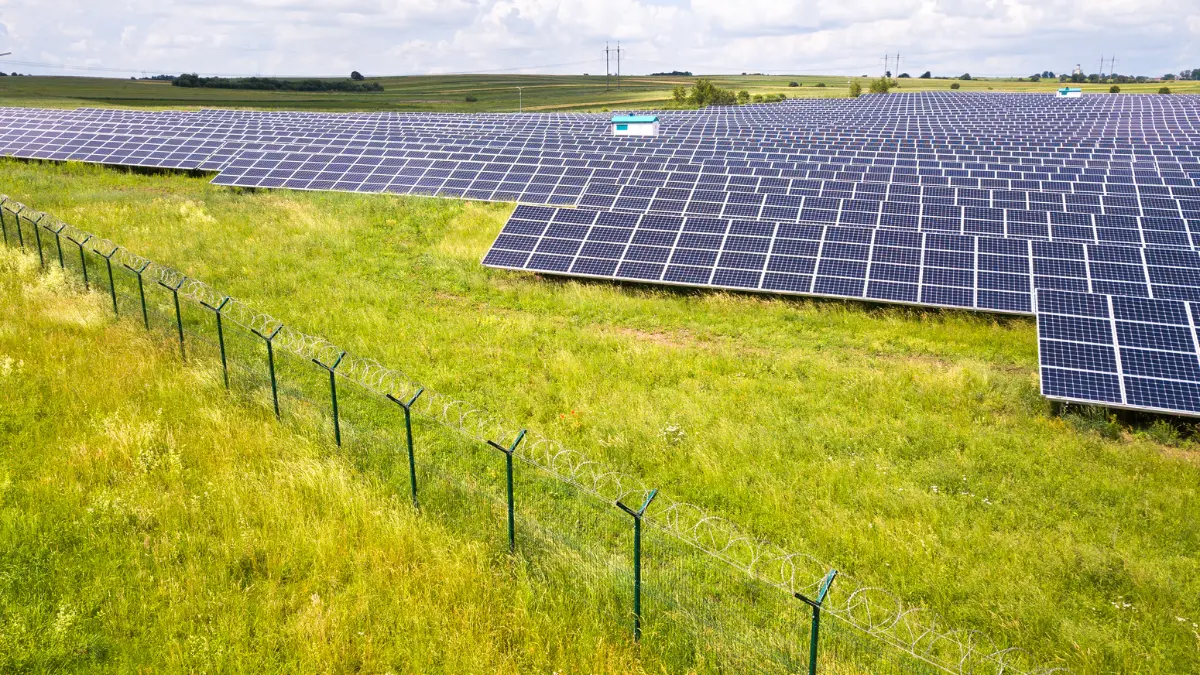
Puerto Rico is accelerating its transition toward renewable energy as new solar installations expand across the island, supporting efforts to improve grid resilience and reduce reliance on fossil fuels.
Puerto Rico’s transition toward renewable energy is gaining momentum as new solar installations continue to expand across the island. Government officials, energy companies, and environmental advocates say the growth of solar power represents an important step toward creating a more resilient and sustainable energy system. The increase in solar installations comes as Puerto Rico seeks to reduce its reliance on imported fossil fuels and modernize an electrical grid that has faced repeated challenges in recent years.
Hurricanes, aging infrastructure, and high fuel costs have highlighted the need for alternative energy sources capable of strengthening the island’s power supply. Solar energy has emerged as one of the most promising solutions. With abundant sunshine throughout the year, Puerto Rico has significant potential for solar power generation.
Large-scale solar farms, rooftop solar systems, and community solar projects are all contributing to the island’s growing renewable energy capacity. Energy officials say these installations are helping diversify the island’s energy mix while providing cleaner sources of electricity. By expanding solar power, Puerto Rico aims to lower greenhouse gas emissions and move toward long-term environmental sustainability.
The renewable energy transition also aligns with Puerto Rico’s broader energy policy goals. Government plans call for increasing the share of electricity generated from renewable sources over the coming decades. Solar power, along with wind and other clean energy technologies, is expected to play a central role in achieving these targets.
Several new solar projects have recently been announced or completed across different regions of the island. These installations range from utility-scale solar farms capable of powering thousands of homes to smaller community-based systems designed to provide local energy solutions. One important aspect of the solar expansion is the integration of battery storage technology.
Solar power production fluctuates depending on weather conditions and time of day, but battery systems allow excess energy generated during sunny periods to be stored and used later when demand increases. Energy experts say combining solar power with battery storage can significantly improve grid reliability, particularly during power outages or emergency situations. This capability is especially important for Puerto Rico, where storms and infrastructure failures have previously caused widespread electricity disruptions.
Rooftop solar installations are also becoming increasingly popular among homeowners and businesses. Many residents have chosen to install solar panels and battery systems to reduce electricity costs and gain greater independence from the central power grid. Government incentive programs and financial support initiatives have helped encourage adoption of residential solar systems.
Some programs provide tax incentives, grants, or financing options that make solar installations more accessible to households and small businesses. Commercial and industrial facilities are also investing in solar energy as a way to reduce operating costs and meet sustainability goals. Businesses with large rooftops or open land areas can install solar panels to generate electricity for their operations.
Energy companies and developers say the expansion of solar projects is also creating economic opportunities for Puerto Rico. Renewable energy initiatives support jobs in engineering, construction, installation, maintenance, and technology development. Training programs and workforce development initiatives are helping prepare local workers for careers in the renewable energy sector.
Universities and technical institutes are offering courses focused on solar installation, energy management, and sustainable infrastructure. Environmental advocates say the growth of solar energy represents a critical step toward reducing Puerto Rico’s carbon footprint. Electricity generation from fossil fuels has historically been a major source of emissions on the island.
By shifting toward renewable energy, Puerto Rico can contribute to global efforts to address climate change while also protecting its own natural environment. The transition to renewable energy also has important implications for public health. Cleaner energy sources produce fewer pollutants, which can improve air quality and reduce health risks associated with fossil fuel emissions.
However, experts caution that expanding renewable energy infrastructure requires careful planning and coordination. Integrating new energy sources into the existing power grid can be technically complex, particularly when infrastructure upgrades are needed. Modernizing the grid is therefore an essential part of Puerto Rico’s energy transition strategy.
Investments in transmission lines, smart grid technologies, and energy management systems can help ensure that renewable power is distributed efficiently across the island. Community involvement is another important element of renewable energy development. Public input and engagement can help ensure that projects meet local needs and address potential concerns about land use and environmental impact.
Energy policymakers say collaboration between government agencies, private companies, and community organizations will be essential for achieving long-term renewable energy goals. Despite challenges, the rapid growth of solar installations signals strong momentum for Puerto Rico’s clean energy transition. The island’s abundant natural resources and increasing technological capabilities create opportunities for sustainable power generation.
Looking ahead, energy experts expect solar capacity to continue expanding as new projects come online and technological innovations improve efficiency and affordability. For Puerto Rico, the move toward renewable energy represents more than just a shift in electricity production—it reflects a broader effort to build a resilient, modern energy system capable of supporting the island’s economic and environmental future. As solar installations spread across communities and landscapes throughout Puerto Rico, the island’s journey toward cleaner and more reliable energy is steadily gaining strength.
Mar. 13, 2026