University Researchers Study Climate Risks Facing Puerto Rico’s Coastal Communities
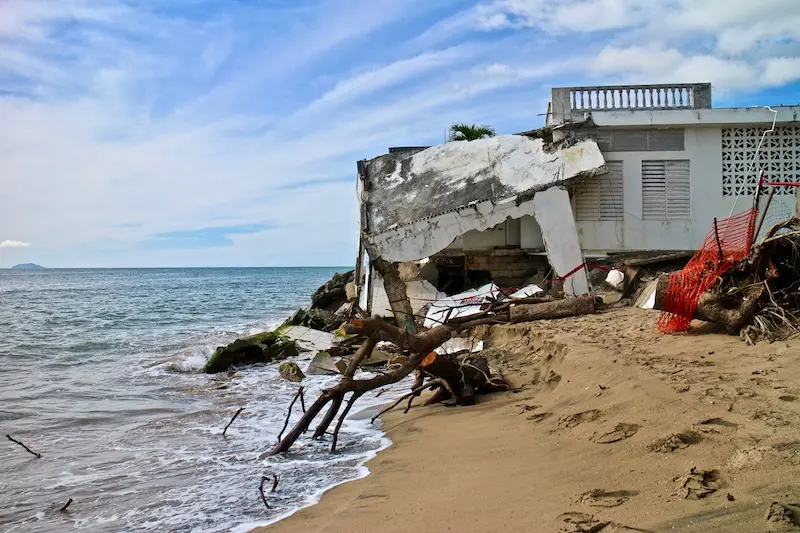
University researchers are examining the growing climate risks facing Puerto Rico’s coastal communities, focusing on rising sea levels, stronger storms, and long-term environmental impacts.
University researchers are conducting new studies to better understand the climate-related risks facing Puerto Rico’s coastal communities, as rising sea levels, stronger hurricanes, and changing environmental conditions pose increasing challenges for residents living along the island’s shoreline. The research effort involves scientists, environmental experts, and urban planners who are analyzing how climate change may affect coastal ecosystems, infrastructure, and local populations in the coming decades. Their findings are expected to help policymakers develop strategies to protect communities and strengthen climate resilience.
Puerto Rico’s coastline stretches for hundreds of miles and is home to many towns, cities, and important economic sectors such as tourism, fishing, and shipping. Coastal areas also contain sensitive ecosystems including coral reefs, mangroves, wetlands, and beaches that provide natural protection against storms. Researchers say these coastal environments are increasingly vulnerable to the effects of climate change.
Rising global temperatures are contributing to sea level rise, which can gradually erode shorelines and increase the risk of flooding in low-lying areas. Storm intensity is another concern. Climate scientists have observed trends suggesting that hurricanes in the Atlantic Ocean may become stronger and more destructive as ocean temperatures rise.
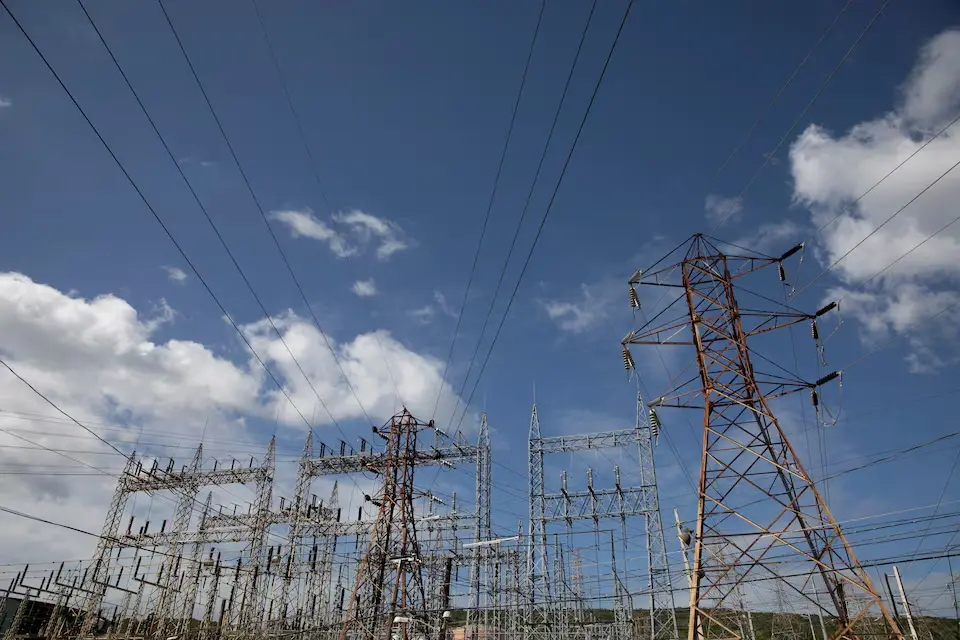
Puerto Rico, located in the Caribbean hurricane belt, is particularly exposed to these weather systems. Past hurricanes have demonstrated how vulnerable coastal infrastructure can be. Major storms have damaged homes, roads, ports, and power systems, highlighting the need for improved disaster preparedness and resilient infrastructure.
University researchers are using a variety of tools to study these risks. Satellite imagery, climate models, and geographic mapping technologies allow scientists to analyze changes in shoreline patterns, flood zones, and environmental conditions over time. These technologies help researchers predict which areas may face the greatest threats in the future.
By identifying vulnerable communities, local governments can prioritize investments in protective infrastructure and emergency planning. Another area of study involves coastal ecosystems that act as natural barriers against storms. Mangrove forests and coral reefs can absorb wave energy and reduce the impact of storm surges.
When these ecosystems are healthy, they provide important protection for coastal communities. However, environmental pressures such as pollution, coastal development, and warming ocean temperatures have damaged some of these ecosystems in recent years. Researchers are studying ways to restore and protect these natural defenses.
Community engagement is also an important part of the research process. Scientists are working with local residents, community leaders, and municipal governments to gather information about how climate risks affect daily life. Residents in coastal areas often have firsthand knowledge of environmental changes, including shifting shorelines, flooding patterns, and changes in marine life.
This local knowledge can complement scientific data and help researchers develop more effective solutions. One focus of the research involves identifying adaptation strategies that communities can use to reduce climate risks. These strategies may include strengthening building codes, relocating vulnerable infrastructure, restoring coastal ecosystems, and improving flood management systems.
Urban planners are also exploring how cities can incorporate climate resilience into long-term development plans. Designing infrastructure that can withstand stronger storms and higher sea levels may help protect communities from future disasters. Education and public awareness are key components of these research initiatives.
Universities often work with schools and community organizations to share information about climate risks and encourage preparedness. Workshops, public presentations, and educational programs help residents understand how climate change may affect their communities and what steps can be taken to reduce risk. Researchers emphasize that climate change is a global issue that affects many coastal regions around the world.
However, islands such as Puerto Rico face unique challenges due to their geographic location and reliance on coastal resources. Tourism, for example, depends heavily on the island’s beaches and natural beauty. Protecting coastal ecosystems is therefore essential not only for environmental reasons but also for economic sustainability.
Fishing communities also rely on healthy marine ecosystems for their livelihoods. Changes in ocean temperatures and coral reef health can influence fish populations and affect the availability of seafood resources. Government agencies and nonprofit organizations are working alongside universities to develop policies that support climate resilience.
These partnerships allow scientific research to inform practical decision-making in areas such as infrastructure planning and environmental protection. Funding for climate research often comes from a combination of government grants, international environmental programs, and university initiatives. These resources help scientists conduct long-term studies that track environmental changes over time.
Researchers say the goal of their work is not only to understand the risks but also to identify solutions that help communities adapt to changing conditions. Protecting Puerto Rico’s coastal communities will require a combination of scientific knowledge, public policy, and community collaboration. While the challenges posed by climate change are significant, experts believe that proactive planning and investment in resilience strategies can help reduce future risks.
For the scientists studying Puerto Rico’s coastline, the research represents an important step toward safeguarding both the island’s natural ecosystems and the communities that depend on them. As climate research continues, the insights gained from these studies may help guide policies and initiatives that strengthen Puerto Rico’s ability to adapt to environmental changes while preserving its coastal heritage for future generations.
Mar. 13, 2026