US Grants Permit for Project to Bring Power to Puerto Rico from Dominican Republic, Developer Says
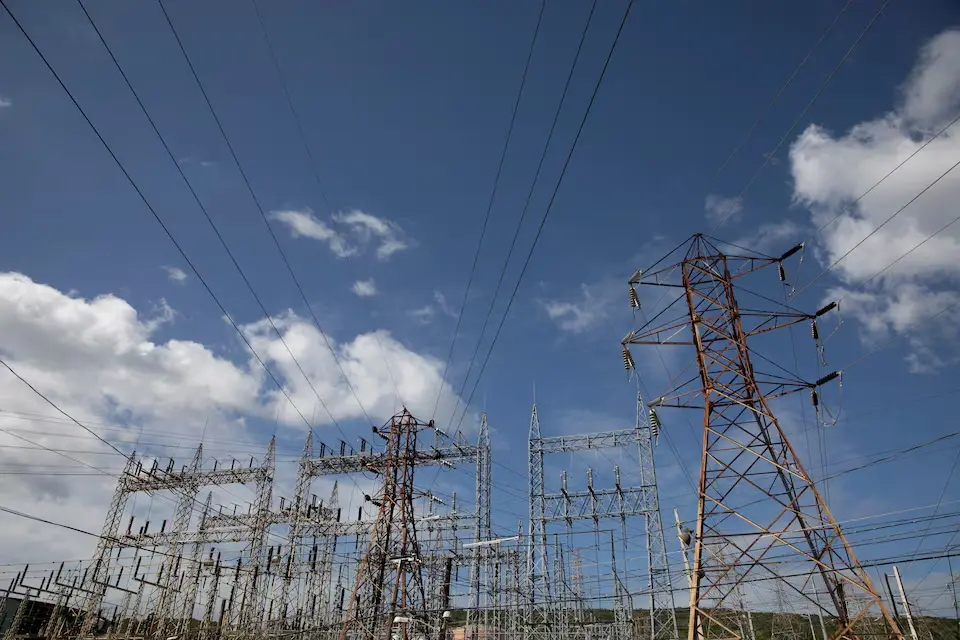
The United States has granted a key permit for an energy project aimed at supplying electricity to Puerto Rico from the Dominican Republic through an undersea power cable, according to the project’s developer.
The United States government has granted a crucial federal permit for a proposed project that would transmit electricity from the Dominican Republic to Puerto Rico through an undersea power cable, according to the company developing the initiative. The approval marks a significant step forward for a plan that supporters say could help stabilize Puerto Rico’s fragile electricity system and reduce the frequency of power outages that have plagued the island for years. The project, which has been under discussion for several years, would involve the construction of a subsea transmission line connecting the electrical grids of the Dominican Republic and Puerto Rico.
Once completed, the cable would allow electricity generated in the Dominican Republic to flow directly to Puerto Rico, providing an additional source of power for the U. S. territory’s strained energy infrastructure.
Developers of the project say the newly granted U. S. permit represents a major milestone that moves the plan closer to construction.
The approval is required because the transmission line would cross international waters and connect a U. S. territory to a foreign country’s energy system.
Such cross-border energy infrastructure projects typically require federal review to ensure compliance with environmental regulations, national security considerations, and international agreements. Puerto Rico’s electricity grid has faced persistent challenges for more than a decade, including aging infrastructure, financial difficulties, and damage from powerful hurricanes. The island’s energy system suffered catastrophic destruction in 2017 when Hurricane Maria struck, knocking out power to the entire territory and leaving many residents without electricity for months.
Since then, efforts to modernize and rebuild the grid have moved slowly, and outages continue to affect homes, hospitals, and businesses. Supporters of the Dominican Republic–Puerto Rico power link argue that the project could provide an important new source of energy security for the island. By connecting Puerto Rico to another regional electricity market, the transmission cable would create an alternative supply of power that could help stabilize the grid during periods of high demand or equipment failure.
Developers say the Dominican Republic currently has excess electricity generation capacity due to recent investments in power plants and renewable energy facilities. Exporting electricity to Puerto Rico could allow that surplus power to be used more efficiently while also generating revenue for Dominican energy producers. The proposed undersea cable would stretch across the Caribbean Sea and would be designed to carry hundreds of megawatts of electricity.
Engineers involved in the project say modern submarine transmission technology makes such long-distance energy connections increasingly feasible. Similar systems already exist in other parts of the world, linking countries across seas and enabling electricity trading between neighboring markets. However, the project also faces significant logistical and financial challenges.
Constructing an undersea cable across deep ocean waters requires specialized vessels, complex engineering work, and extensive environmental assessments. The total cost of the project is expected to run into hundreds of millions of dollars, and developers will need to secure financing before construction can begin. Environmental reviews are another important aspect of the project.
Federal regulators typically require detailed studies to ensure that submarine infrastructure does not significantly harm marine ecosystems, coral reefs, or sensitive habitats. Project developers say they have conducted extensive environmental impact analyses and will continue to work with regulators to minimize ecological disruption during installation. Puerto Rican officials have long searched for solutions to improve the reliability of the island’s power system.
The local grid has struggled with outdated power plants, limited fuel diversity, and a complex transition toward renewable energy sources. Frequent blackouts and service interruptions have created frustration among residents and businesses, many of whom rely on backup generators to maintain operations during outages. Energy experts say that greater regional integration could help address some of these problems.
Connecting electricity networks between countries or territories can allow areas with surplus power to supply those experiencing shortages. It can also help balance fluctuations in renewable energy production, such as solar and wind power, by allowing electricity to flow between regions when needed. Still, some analysts caution that the undersea cable project is not a complete solution to Puerto Rico’s energy challenges.
While importing electricity from the Dominican Republic could provide additional capacity, the island would still need to continue modernizing its internal grid infrastructure and expanding renewable energy development. Critics of the proposal have also raised concerns about energy dependence and long-term costs. Some advocacy groups argue that Puerto Rico should prioritize building local renewable energy systems, such as solar microgrids and battery storage, rather than relying on imported electricity from another country.
They say investing in local clean energy would create jobs on the island and reduce reliance on fossil fuels. Developers of the project counter that the proposed cable could actually complement renewable energy development. By adding another source of electricity supply, the connection could make the grid more flexible and resilient as Puerto Rico gradually transitions toward cleaner energy sources.
The permit issued by U. S. authorities does not mean construction will begin immediately.
Developers must still complete additional regulatory approvals, finalize financing arrangements, and coordinate with both Puerto Rican and Dominican energy authorities. Negotiations with local utilities and regulators will also be required to determine pricing structures, transmission agreements, and operational responsibilities. Officials involved in the project say they remain optimistic that these steps can be completed in the coming years.
If construction proceeds as planned, the undersea cable could become one of the most ambitious energy infrastructure projects ever attempted in the Caribbean region. Regional cooperation will also play an important role in the project’s success. Governments in both Puerto Rico and the Dominican Republic would need to coordinate regulatory frameworks and ensure that cross-border electricity trading operates smoothly.
Energy experts say such cooperation could strengthen economic ties between the two Caribbean neighbors. For Puerto Rico, the project represents one of several strategies currently being explored to improve energy reliability. Other initiatives include upgrading aging transmission lines, expanding renewable energy installations, and developing battery storage systems to support solar power generation.
Residents across Puerto Rico have long called for faster progress in rebuilding and modernizing the island’s power grid. Persistent outages and high electricity costs have affected economic growth and quality of life. Businesses often face operational disruptions, while households must deal with unpredictable service interruptions.
If the Dominican Republic–Puerto Rico transmission project ultimately moves forward, it could mark a major shift in how electricity is supplied in the Caribbean. Instead of operating as isolated island systems, regional grids could become more interconnected, allowing electricity to flow where it is needed most. For now, the newly granted U.
S. permit represents an important early step toward that possibility. Developers say they will continue working with regulators, investors, and regional authorities to move the project toward the next stage of development.
While many hurdles remain, supporters believe the initiative could eventually play a meaningful role in strengthening Puerto Rico’s energy security and resilience.
Mar. 13, 2026