NCAA Warns Multiple Transfers Tied to Sharply Lower Graduation Rates in College Football
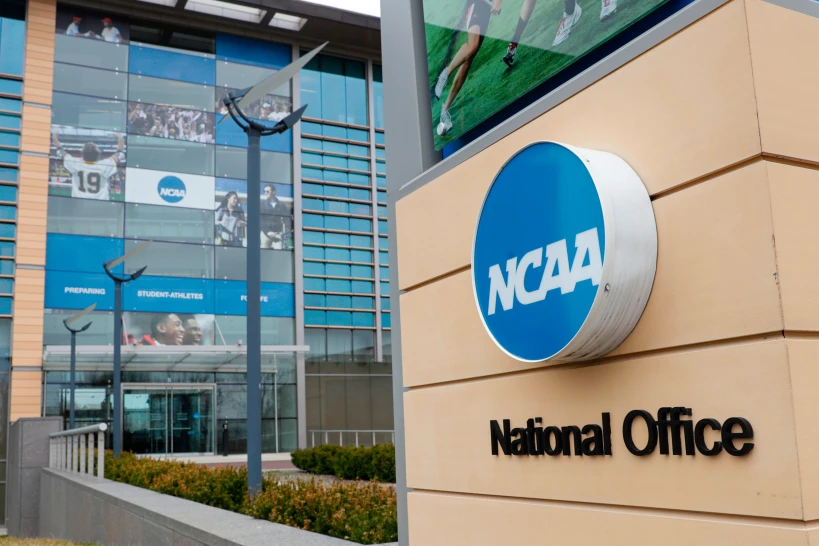
A new NCAA study reveals that FBS college football players who transfer multiple times graduate at rates 27 percentage points lower than peers who remain at one school, prompting stark warnings from officials.
College football players in the Football Bowl Subdivision (FBS) who transfer multiple times face a precipitous decline in graduation rates compared with teammates who remain at a single school, according to newly released NCAA research that sounds an urgent alarm over the academic toll of the modern transfer portal era. The comprehensive study, which tracked the six-year academic outcomes of approximately 36,000 Division I student-athletes who initially enrolled in the 2018–19 academic year, found that FBS football players who stayed at their original institution achieved an on-time graduation rate of 85 percent, whereas those who transferred two or more times saw that figure plummet to just 58 percent—a staggering 27-percentage-point deficit. NCAA President Charlie Baker characterized the findings as a flashing red warning sign regarding the real-world costs of unrestricted athlete mobility, which has expanded rapidly in recent years following court rulings that struck down traditional transfer penalty rules and cleared the way for immediate eligibility across multiple moves.
The trend was not confined to football; across all Division I sports, genders, and racial demographics, student-athletes who transferred more than once consistently graduated at rates roughly 10 percentage points lower than single transfers and 15 to 20 percentage points lower than non-transfers. Academic advisers and university officials point out that transferring repeatedly frequently results in lost degree credits, inconsistent academic advising, misaligned degree program requirements, and disruption to campus support networks, leaving student-athletes struggling to maintain momentum toward degree completion while managing intense athletic demands. The data also highlighted acute disparities among demographic groups, with Black student-athletes experiencing the most severe declines: an 82 percent graduation rate among those who never transferred fell to 74 percent after one transfer and dropped further to 62 percent among those who transferred multiple times.
The release of the study arrives amid heated legal and legislative debate over the future governance of collegiate sports, with the NCAA pointing to academic outcomes as it advocates for federal legislation, including measures such as the Protect College Sports Act, to establish stable nationwide frameworks around athlete eligibility, name, image, and likeness (NIL) deals, and transfer regulations. Critics of transfer restrictions argue that student-athletes should possess the same freedom of movement as non-athlete college students and coaches, emphasizing that NIL opportunities and playing-time upgrades can transform professional careers. However, university leaders caution that the overwhelming majority of collegiate athletes will not play professionally, making degree attainment their primary long-term pathway to economic security.
As collegiate athletics continues navigating monumental structural shifts, the stark divide in graduation rates ensures that the balance between athlete empowerment and academic welfare will remain one of the most contentious issues facing college sports administrators, coaches, and policymakers nationwide.
Nov. 12, 2026


