Nvidia Espionage Probe: Key Facts and Questions Surrounding Jensen Huang
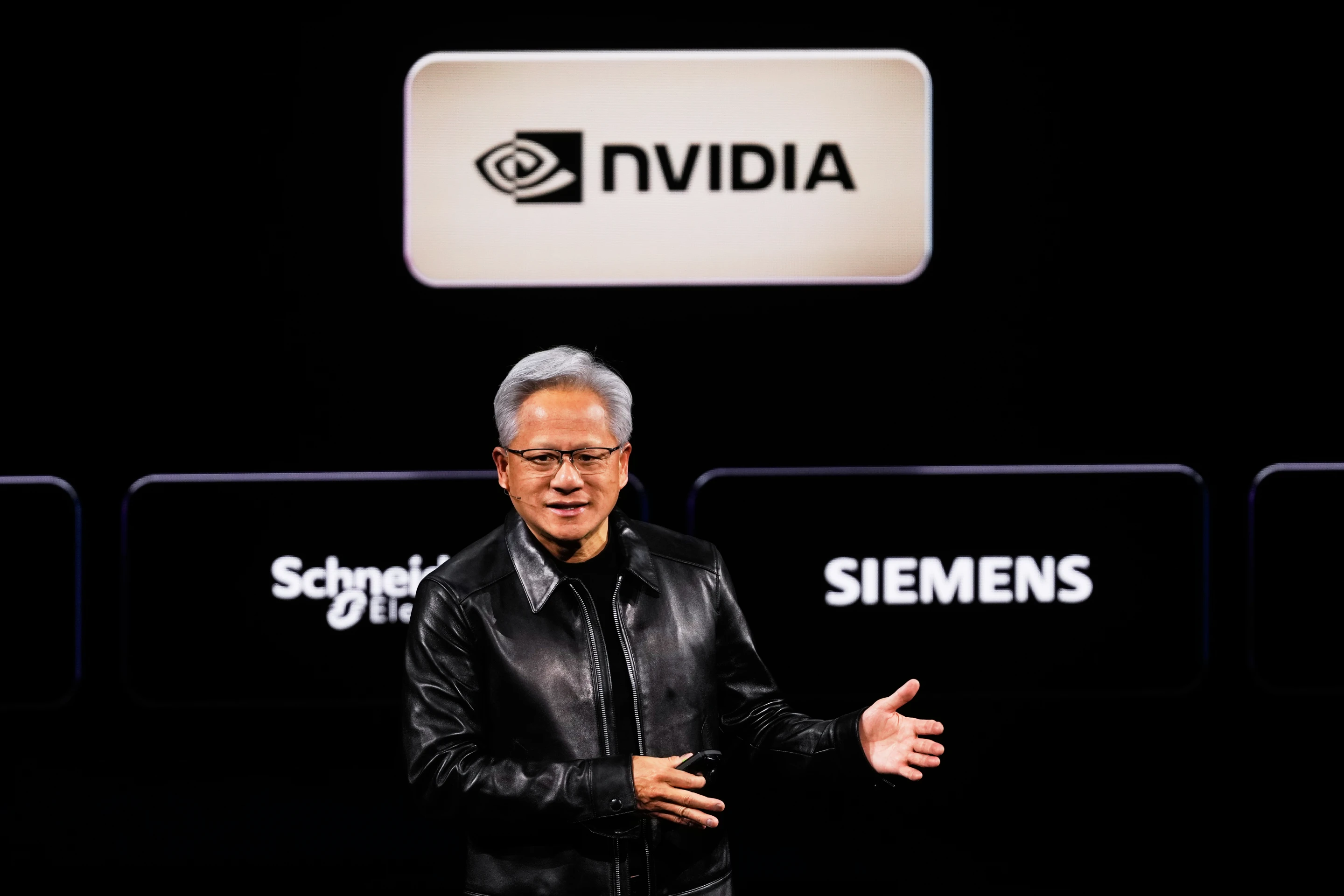
Nvidia’s board has launched an independent investigation after reports that CEO Jensen Huang was targeted in an alleged foreign intelligence operation linked to a major AI chip buyer. The probe will assess potential security risks and implications for the company.
Nvidia has launched an independent board-level investigation following explosive reports that co-founder and Chief Executive Officer Jensen Huang became the target of an alleged foreign espionage operation. The probe, overseen by a committee of independent directors with the assistance of outside legal counsel, has thrust the world’s most valuable semiconductor company into the center of a high-stakes national security controversy at a time when advanced artificial intelligence chips sit at the forefront of global geopolitical competition. What is known so far centers on Huang’s personal relationship with Alice Huang, who shares no familial relation to the Nvidia chief and previously served as an executive at Megaspeed, a Singapore-based data center firm and a major purchaser of Nvidia’s advanced AI processors.
According to law enforcement and intelligence reports, U. S. intelligence agencies suspect that the former Megaspeed executive may have been operating as an asset for China’s Ministry of State Security.
In an internal message addressed to Nvidia employees and his family, Jensen Huang acknowledged the extramarital affair, apologizing for the pain caused to his wife and children while maintaining that he had no knowledge of any suspected links between the individual and foreign intelligence services. Huang stated that he is cooperating fully with the board’s review. Nvidia’s board of directors moved swiftly to reassure investors, regulators, and national security officials, stating that it currently has no reason to believe that either U.
S. national security or proprietary Nvidia trade secrets were compromised. Nevertheless, the board emphasized that the independent committee will thoroughly examine all available facts to uphold the company’s obligations to economic and national security.
Alongside the internal corporate review, federal scrutiny has intensified. The U. S.
Department of Justice’s National Security Division is reportedly examining Megaspeed over potential violations of federal export controls designed to prevent cutting-edge American AI semiconductors from being diverted to restricted entities in China, while the Federal Bureau of Investigation is also looking into aspects of the matter. Despite these disclosures, critical questions remain unanswered. Investigators and industry observers still do not know the full extent of the information that foreign intelligence operatives may have sought to obtain, how long the suspected intelligence effort was underway, or whether the relationship had any influence on commercial transactions, chip allocations, or supply chain decisions involving Megaspeed.
It also remains unclear whether federal authorities will bring formal charges or impose new export restrictions as a result of their ongoing inquiries. Furthermore, corporate governance experts are closely watching how Nvidia’s board will structure its findings and whether the investigation will prompt broader changes to executive security protocols across the technology sector. Given Nvidia’s dominant position in supplying the computing infrastructure that powers modern artificial intelligence systems—as well as its growing role in defense and sovereign AI initiatives—security analysts warn that top technology executives have become prime targets for sophisticated foreign intelligence operations.
As both the independent board probe and federal investigations move forward, the episode underscores the increasingly blurred lines between corporate leadership, semiconductor supply chains, and international espionage.
Nov. 10, 2026