Trump Administration Blames Overloaded Systems for Historic FAA Ground Stop as Flights Slowly Resume
Administration officials attributed the nation’s longest flight halt in 25 years to antiquated air traffic control networks overwhelmed by data surges, ruling out cyberattacks while urging emergency infrastructure funding.
Trump administration officials pointed to antiquated, overwhelmed air traffic control infrastructure as the primary cause behind a historic nationwide ground stop that paralyzed American airspace for approximately five hours, stranding hundreds of thousands of passengers and triggering widespread travel turmoil before federal regulators allowed flights to resume. Transportation Secretary Sean Duffy and Homeland Security Secretary Markwayne Mullin clarified during a high-profile White House briefing that the sudden outage occurred when newly installed digital equipment and software interfaces overwhelmed the Federal Aviation Administration's decades-old communications backbones. The technical breakdown caused core network routers and data switches to crash under heavy data loads, producing severe communication disconnects and radar display discrepancies across multiple regional air traffic control facilities.
Officials moved decisively to rule out hostile foreign cyberattacks or criminal ransomware operations, emphasizing that diagnostic forensics confirmed the failure was driven strictly by internal hardware limitations and capacity strain within an overburdened technological architecture. According to federal officials, the system failure originated within key regional en route centers responsible for tracking high-altitude passenger traffic, where high-speed data feeds collided with legacy relay processors dating back to the late 1990s. As radar feeds lagged and automated flight-plan distribution networks froze, air traffic controllers were forced to implement manual separation procedures to maintain absolute airspace safety, drastically reducing departure throughput and prompting the nationwide ground stop.
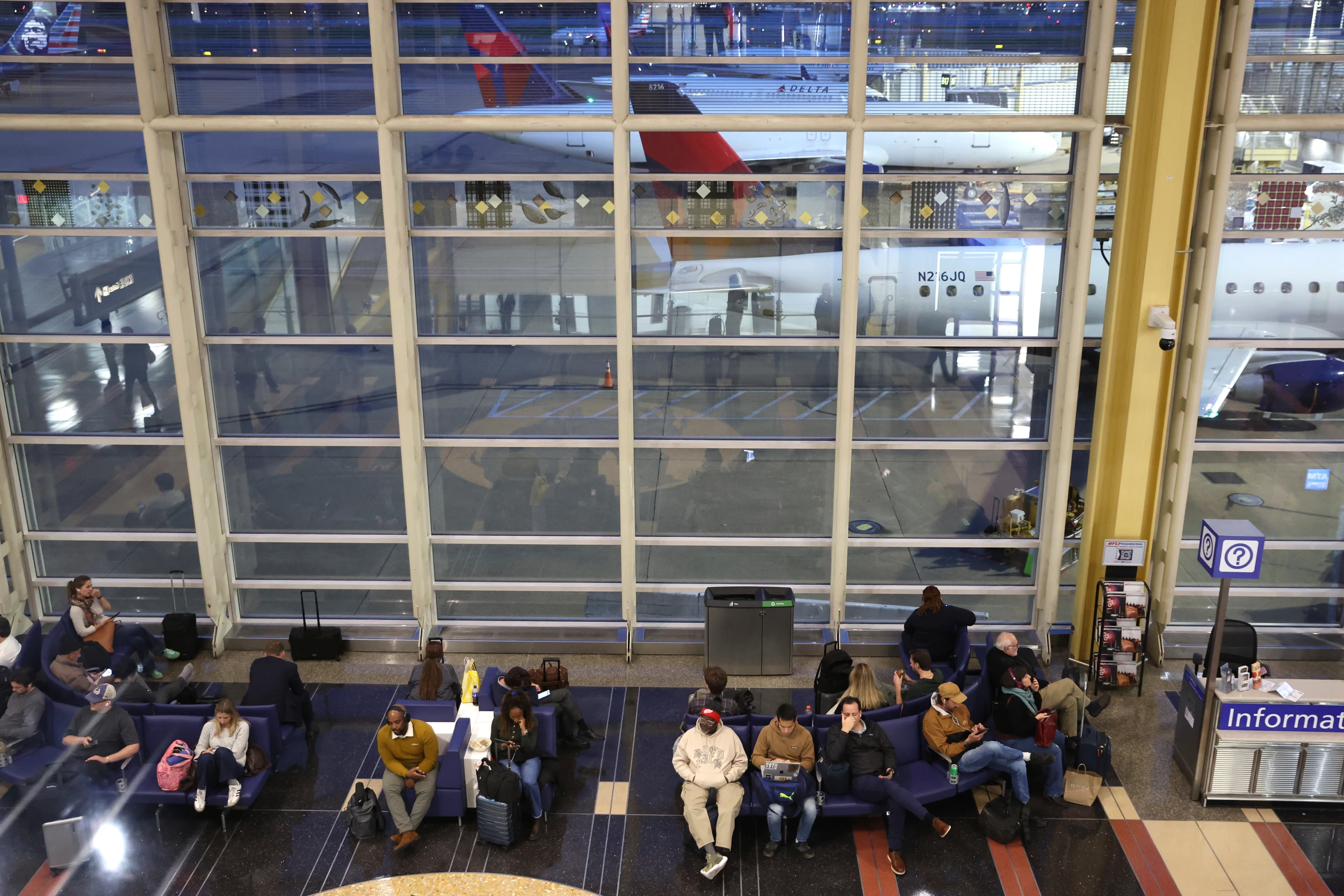
Major hubs including Atlanta Hartsfield-Jackson, Chicago O'Hare, Dallas/Fort Worth, and Denver reported tarmac gridlocks that stretched for miles, with terminal departure halls swelling with stranded passengers as thousands of commercial flights were cancelled or diverted mid-journey. While the FAA gradually lifted the departure ground stop after running comprehensive safety diagnostics and verifying system stability, airlines warned that rolling cancellations, displaced aircraft, and stranded flight crews would create ripple effects across airports nationwide for several days. Major carriers including Delta Air Lines, United Airlines, and American Airlines issued travel waivers as flight operations teams worked frantically to reposition aircraft and reassign crews constrained by mandatory federal duty-rest limits.
The unprecedented breakdown—the longest nationwide halt to commercial aviation in a quarter-century—quickly reignited fierce political arguments in Washington over long-delayed modernization efforts. Administration leaders seized upon the crisis to demand urgent legislative action from Capitol Hill, urging lawmakers to bypass stopgap appropriations and approve a sweeping, multi-billion-dollar overhaul to completely rebuild the nation's air traffic control infrastructure from the ground up to prevent future catastrophic failures. Congressional leaders on the House and Senate transportation committees pledged to convene emergency oversight hearings to examine how decades of modernization investments have left the nation's aviation grid vulnerable to catastrophic data congestion, setting up an intense fiscal battle over federal infrastructure spending and FAA organizational reforms.
Nov. 14, 2026